
Claim Support: Documenting Storm Causes
Many homeowners ask for an arborist report Centurion when wind or age threatens a tree, as insurers and property owners seek clear evidence to support claims and safety decisions.

We provide insurance-ready assessments and services tailored to suburban and commercial sites around the N1/N14 interchange and Centurion Lake. Our work covers Highveld, Rooihuiskraal and nearby green-belt settings where dense planting and wind exposure raise risk.
As a company offering Tree Felling Centurion once when needed, we then use our team of arborists to document condition, identify hazard indicators and give practical recommendations. We reduce insurer back-and-forth by delivering clear findings, an evidence pack and concise, actionable steps.
Expect a statement of current condition and likely risk drivers; understand it does not guarantee future outcomes. Ahead we explain insurer requirements, what we inspect, when to request a report, included safety standards, related services and pricing factors. We make it easy to move from assessment to action—pruning, removal or emergency response—when your needs call for it – Get My Free Quote
Insurance Assessments for Storm Damage & Claims
When storm damage hits a home, clear, timely assessment is crucial for a smooth insurance claim.

Insurance-ready means we deliver concise, consistent evidence so an assessor can see cause, extent and risk without guesswork.
What insurers typically need
Identification: tree species where possible and location relative to the building.
Condition summary: observed defects, risk rating language and dated photographs.
Recommendations: clear actions tied to reducing future risk.
| Need | What we supply | Why it matters |
|---|---|---|
| Clear photos | Dated, wide and detail shots | Shows cause and sequence for claims |
| Defect description | Observed cracks, rot, root heave | Distinguishes pre-existing issues from storm events |
| Risk rating | Practical advice and priority | Helps insurers and homeowners decide next steps |
Common claim scenarios we see
We often record snapped limbs after heavy wind, trees leaning onto boundary walls, branches that damage roofs and gutters, and root heave near paving.
Properties near the Hennops River corridor and established suburbs with mature gardens can be more vulnerable when soil is saturated.
“Fast, clear evidence reduces back-and-forth and speeds claim resolution.”
We provide emergency notes for immediate safety and a full, submission-ready document for claims. Our experience helps clients avoid disputes by distinguishing storm-triggered failure from pre-existing decline.
City of Tshwane Tree Felling Permits & Compliance
We start with a risk-first walkaround that captures health, structure and site context for claims.

Tree health indicators
We look for visible disease, pest activity, dieback patterns and deadwood. Fungal fruiting bodies, weak or peeling bark and uneven foliage matter.
Structural risk
We assess leaning stems, cracks and included-bark unions. Heavy limbs and unsafe branches over roofs, driveways or cables get priority.
Root and soil considerations
Signs of root heave, poor drainage or saturated soil influence our guidance. Proximity to foundations or paving can change our recommendation.
Site context
We map nearby buildings, boundary walls, driveways, pedestrian routes and overhead powerlines. Cable proximity is a common Centurion concern that affects urgency.
Clear evidence pack
Our deliverable includes dated photos from multiple angles, basic measurements and plain‑language findings. We note what we saw, where we saw it and why it matters.
- Tools and equipment: visual aids and safe‑access planning support our inspection.
- Expertise: practical, defensible documentation links defects to realistic outcomes.
Tree Risk Assessments & Safety Inspections
Knowing when to call us for an assessment helps avoid further harm and speeds up insurance decisions. We outline clear triggers so you can act fast and document events properly.

Storm and emergency incidents
The most common trigger is an emergency where a fallen tree blocks a driveway, causes roof damage or creates an immediate danger to people. In such cases we offer 24/7 response to make the site safe.
We prioritise make-safe work first — remove hazards, secure hang-ups and keep neighbours safe — then record dated photos and notes for insurers.
Pre-emptive risk mitigation
Request an assessment when a tree starts leaning, drops major limbs, or encroaches on a shared wall. Early action often avoids larger damage and costly removals later.
Neighbour disputes after work
When pruning or removal is contested across boundaries, a neutral assessment helps resolve conflicts. We document what was done, why it was necessary and provide post-job photos and a short summary to support fair outcomes.
“Quick, clear evidence and safe first actions reduce delays and protect nearby properties.”
Our Reporting Process: From Site Visit to Submission
A dependable process reduces uncertainty and helps insurers and homeowners move quickly. We follow clear steps so everyone knows what to expect from scheduling to delivery.

On-site risk assessment and practical recommendations
We book a slot, visit the property and prioritise hazards first. Our team documents targets such as homes, boundary walls and driveways.
We note defects in health and structure, take dated photos and give plain-language recommendations that insurers can use.
Method statement thinking: safe access, drop zones and equipment planning
We plan access, define drop zones and pick the right rigging or dismantling approach for tight sites.
This includes choosing specialist equipment and safe working positions to protect people and property. Our aim is practical, low-impact work that keeps safety front of mind.
Turnaround times and how we prioritise urgent jobs
Urgent inspections after storms are prioritised when occupants, vehicles or access routes are at risk. We triage by severity and move quickly while keeping quality high.
Complex sites can take more time because of access and safety controls. We never rush documentation; accuracy matters for insurer-facing files.
| Stage | What we do | Outcome |
|---|---|---|
| Scheduling | Confirm site visit and priority | Clear expectations for the client and insurer |
| On-site assessment | Target inspection, photos, notes | Defensible findings and practical advice |
| Draft & delivery | Write findings, check for clarity | Submission-ready documentation |
“We use experienced, safety-minded experts so insurer documents are accurate, consistent and defensible.”
We mention Tree Felling Centurion to reinforce trust, then continue: we draw on field experience and a reliable team to deliver a professional tree assessment that insurers accept. Our experts balance swift action with thorough documentation so clients get clear, usable outcomes.
What Goes Into a Professional Tree Report?
Each assessment includes a clear contents list so insurers and homeowners can compare findings at a glance.
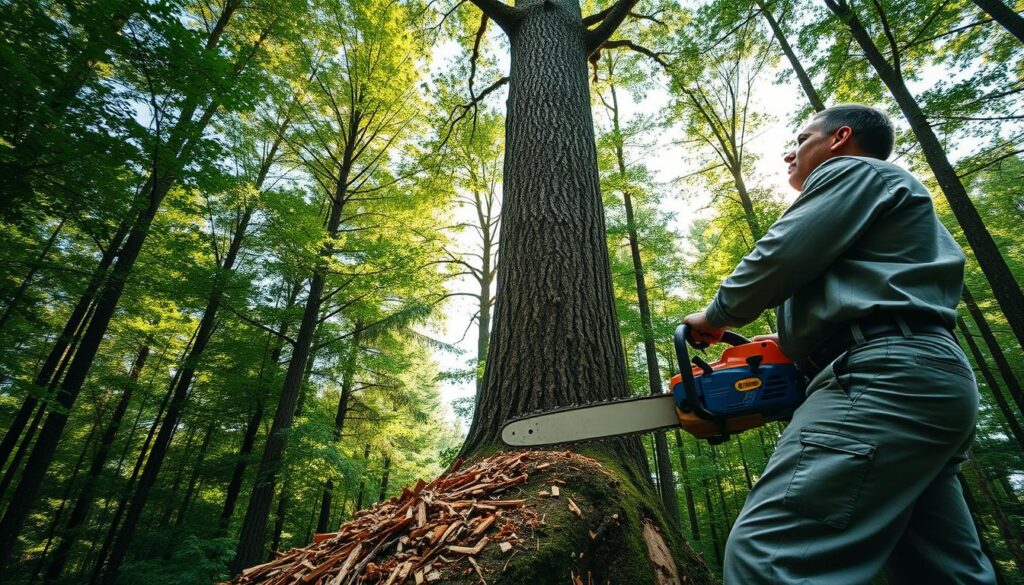
Tree identification, size class and condition grading
What’s inside: species notes where identifiable, approximate trunk diameter, canopy spread and a plain‑language condition grade.
We note visible symptoms such as decay, dieback or pest signs and give a short condition summary that insurers can read quickly.
Risk rating and likelihood of failure under local weather conditions
We assign a simple risk rating and state the likelihood of failure given Centurion wind, heavy rain and saturated soils.
This links hazard level to potential impact on buildings, walls, driveways and people.
Recommended tree care: pruning, trimming and ongoing maintenance
Practical actions: pruning to remove deadwood, trimming to reduce sail effect, canopy balancing and suggested maintenance intervals.
We specify suggested timelines so care reduces repeat risk and supports insurer mitigation steps.
When removal is the safest option: tree felling and controlled dismantling
Where defects, lean or proximity to structures make the tree unsafe, we recommend removal and outline tree felling or controlled dismantling methods.
The section explains access needs, safety controls and why removal may be the most responsible choice.
Stump and root follow-up: stump grinding and site readiness
We describe stump removal options and stump grinding, plus how roots affect site readiness for replanting, paving or lawn restoration.
Insurance connection: each recommended action links observed risk to mitigation so insurers can see the rationale for removal, care or stump removal.
| Included item | Why it matters | Client benefit |
|---|---|---|
| Identification & size | Clarifies what was inspected | Faster insurer decisions |
| Risk rating | Shows likelihood and impact | Prioritises work |
| Care & removal options | Practical remedies | Safer, insurance‑ready outcomes |
“Clear, scannable findings make it easier to compare apples‑to‑apples and avoid missing information.”
Why Centurion Property Owners Trust Our Arborists
Our safety protocols shape every decision on site, so insurer-facing files show controlled, professional work and reduced risk of secondary damage.

Specialised tools and techniques
We use precise tools and light-touch equipment for cutting and dismantling in confined gardens. This reduces impact and speeds repair or replanting.
Managing high-risk sites
Where roofs, narrow passages and overhead powerlines are close, we plan directional felling and controlled lowering to avoid further harm.
We set exclusion zones, check hazards and sequence tasks so neighbours and property stay protected.
Responsible waste handling
After work we remove logs and brush, chip where practical and leave a tidy site for handover. That tidy finish helps insurers and homeowners alike.
“Safety is method, sequencing and control, not just PPE.”
- Pre-job walk-through and hazard checklist
- Insured, qualified teams and documented risk checks
- Clear handover notes for insurance purposes
Expert Knowledge of Local Protected Tree Species
Small shifts in soil or wind across the area can make a big difference to tree stability. Our local knowledge helps us interpret what we see and give practical, insurer‑ready guidance.

Assessments near Centurion Lake and the Hennops River
Bank-side moisture and saturated ground affect root anchorage. We note how close a tree sits to the water and its likelihood of uprooting.
Access and constraints near major corridors
Properties by the N1/N14 interchange and the R21 face traffic, tight access and space limits. We plan logistics so work is safe and causes minimal disruption.
Green belts, reserves and mature suburbs
Trees along green corridors grow asymmetrical canopies and face higher wind loading. Near Rietvlei Nature Reserve and older suburbs, long‑lived specimens can hide structural defects.
| Location factor | Inspection focus | Insurance relevance |
|---|---|---|
| Riverbanks | Root stability, soil saturation | Shows increased failure likelihood |
| Traffic corridors | Access, drop zones, noise limits | Impacts method and timing |
| Green belts | Canopy asymmetry, wind exposure | Guides specific tree care |
“Local context turns generic notes into evidence that insurers can trust.”
Areas we serve across greater Centurion
Our service footprint covers the greater Centurion area, focused on suburbs where garden sizes, access and wind exposure vary a lot.
Highveld, Rooihuiskraal, Clubview, Die Hoewes and Wierda Park
We provide services across these neighbourhoods and know the common plot layouts and driveway constraints.
That local familiarity helps us plan safe access and choose methods that suit compact gardens or larger stands of trees.
Irene, Doringkloof, Eldoraigne, Lyttelton and The Reeds
We also serve estate suburbs and family plots across this part of the area.
Here we adapt to estate rules, narrow service lanes and communal green spaces while keeping the same standards.
What you can expect: the same clear evidence pack, consistent reporting standard and practical recommendations in every suburb.
Our team handles both residential and commercial properties and can scale the approach for tight access or large grounds.
| Coverage | Local focus | Client benefit |
|---|---|---|
| Greater Centurion | Access patterns, plot size, garden layout | Faster scheduling and accurate method choice |
| Suburban clusters | Estate rules, road access, wind exposure | Consistent services and clear next steps |
| Residential & commercial | Space constraints, safety controls | Professional tree care and practical outcomes |
“Local coverage means we act faster when urgent hazards are reported.”
Beyond the Report: Remedial Tree Services
Once we document hazards, the next step is a focused plan to remove or mitigate those risks. The assessment becomes the basis for action, turning insurer‑friendly findings into practical work on site.
Pruning and trimming to reduce hazard and improve health
Pruning and trimming cut deadwood, reduce the sail effect and improve clearance from roofs and cables. That keeps canopies balanced and lowers future failure risk.
When removal is the right choice
We recommend tree removal for dead, diseased or structurally compromised specimens. Removal also suits trees that encroach on structures where retention is unsafe or uneconomical.
Palm maintenance and removal
Old palm fronds can fall and cause real hazards. Regular palm care or full palm tree removal improves safety and tidies appearance in family areas near Acrobranch Centurion and local parks.
Emergency tree services for sudden damage
After storms we provide emergency tree make‑safe work: stabilise leaners, remove hung limbs and document the scene. That sequencing—assessment, action, clean‑up and documentation—protects people and helps insurers process claims.
“Assessment → action: the right service, safely delivered, then documented for peace of mind.”
Arborist Report Costs & Tree Felling Prices
Costs for cutting and removal vary widely; knowing the main drivers lets you budget sensibly. We give typical guidance and explain why an on‑site quote is essential for accurate prices.
How tree size, access and complexity affect service pricing
Tree size, height and canopy spread are primary cost drivers. Larger trees need more time and specialist labour.
Access limits — narrow gates, nearby roofs, boundary walls or powerlines — increase complexity. Controlled dismantling and extra safety measures raise the overall job cost.
Typical price ranges for tree felling and removal by size
The following ranges are typical guidance only; final prices depend on a site assessment.
| Size | Typical price range | Notes |
|---|---|---|
| Small | R500 – R850 | Simple access, basic cutting |
| Medium | R860 – R2,500 | May need ladders or light rigging |
| Large | R2,600 – R7,500 | Heavy rigging, traffic or roof protection |
| Huge | R7,600 – R15,000 | Complex lifts, crane or specialist felling |
Stump removal and grinding considerations
Stump removal costs reflect stump diameter, root spread and access for grinders. Larger stumps can start from around R2,500 for grinding, but site conditions change the quote.
We explain what site readiness means after grinding and whether green waste removal, wood left for firewood, or full clean‑up is included or optional.
“Safe cutting and the right equipment prevent costly secondary damage — that protection is part of the price.”
Get Your Free Quote or Consultation Today
A final summary ties evidence to practical next steps and helps avoid future disputes.
Our insurance‑ready findings document what happened, what is risky now and which actions reduce repeat damage to your property.
We assess trees for health and structure, check roots and soil, and record site context so insurers and owners can act with confidence.
Safety guides every recommendation — from careful pruning and targeted pruning to full tree felling or tree removal where retention isn’t sensible.
In areas around Centurion Lake, the Hennops River green belts and suburbs near Rietvlei Nature Reserve, mature specimens often need timely attention.
Tree Felling Centurion provides the assessment, then we deliver the removal services, stump removal or ongoing care to restore safety.
Act early: request an assessment and a clear written outcome, then implement the recommended work to protect your home and regain peace of mind.

