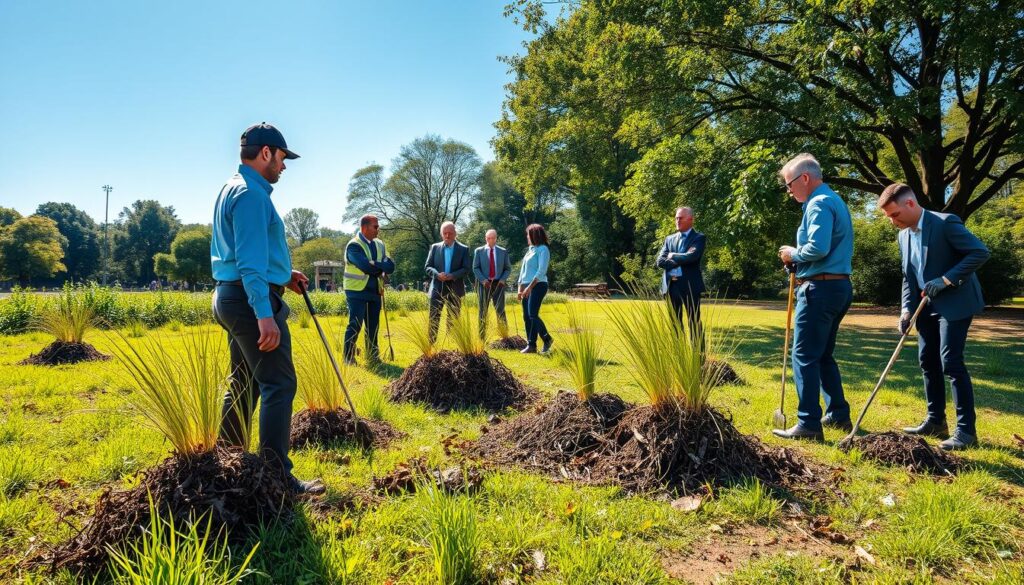
NEMBA Regulations: Clearing Wattle, Bugweed & Lantana

Invasive plant removal Centurion matters here in Centurion, from Centurion Mall to the Hennops River and the Gautrain corridor. We explain why timely action protects your property and keeps you compliant with local law.

Tree Felling Centurion began as a specialist partner for estates and businesses. Now we work as a team to offer safe, methodical services that protect gardens, veld and the wider environment.

In south africa, landowners face duties under NEMBA to control certain invasive alien species. Correct identification is critical so we do not remove protected indigenous species by mistake.

Our service goes beyond clearing visible growth. We aim to reduce re-growth risk, document what we do, and limit environmental harm. Delays make spread worse and increase cost.

Read on to see where we work around Centurion, which problem areas we clear, how compliance under NEMBA works, and how our experience helps you meet your obligationsGet My Free Quote

invasive plant removal Centurion

Professional invasive plant removal Centurion for homes, estates and commercial sites

We offer targeted control services for homes, townhouse complexes, estates and commercial properties across the area. Our work focuses on fast, practical action so small outbreaks do not become major problems.

Where we work:

Local corridors and notable zones

We operate near Centurion Golf Club, along the Hennops River corridor and around the Rietvlei area. These corridors often carry aggressive vegetation from disturbed ground and water edges.

Typical problem areas we clear:

Servitudes, fence lines and public edges

  • Servitudes and fence lines where growth blocks access.
  • Roadsides and paved areas that lose visibility or drainage.
  • Parks, sports fields and watercourse edges that act as spread routes.

Why fast action matters:

Reduce spread, protect property and water

Unchecked growth seeds fast and raises fuel loads for wildfires. It can damage paving, drains and foundations, and it strains scarce water resources.

Site type Common issue Our focus
Homes & townhouses Overgrown fences & trees Inspection, scope, written quote
Estates Servitude spread Methodical control services & follow-up
Commercial sites Paved area and drainage blockages Clearance and responsible waste handling

Every project begins with an on-site inspection and a clear scope. We provide a written quote and a plan to limit regrowth, protecting water and the wider environment. Request a quote to arrange an inspection with our team.
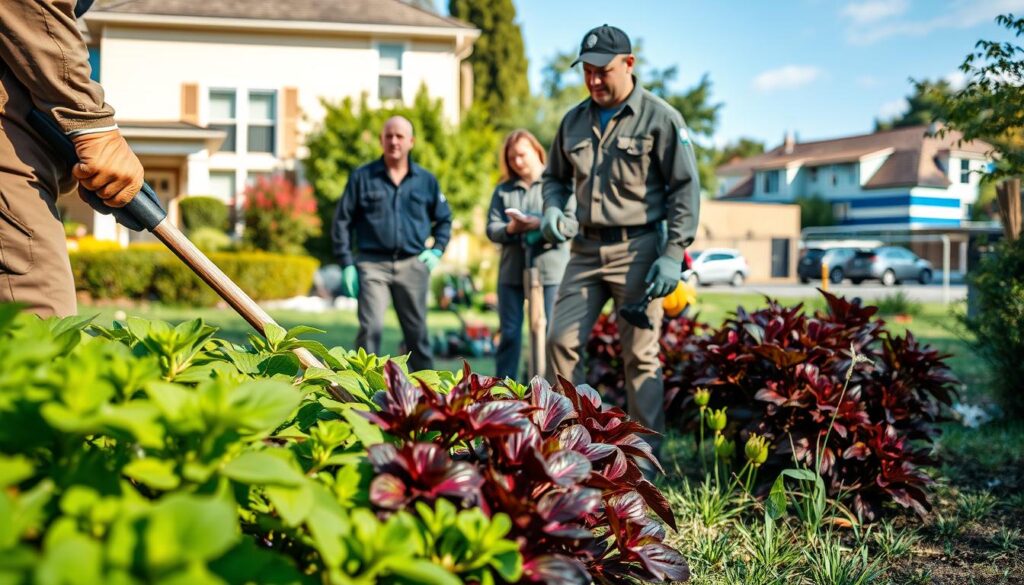
A serene outdoor scene showcasing a professional team of plant removal specialists in action, dressed in modest work attire. In the foreground, focus on a determined technician using specialized tools to uproot invasive plants with vibrant colors, such as bright green and deep purple foliage. The middle ground captures additional team members discussing a removal strategy while examining a large, invasive plant species. In the background, a well-maintained residential garden and a commercial site are visible, demonstrating the contrast between the invasive plants and the healthy landscape. Soft, natural lighting enhances the scene, casting gentle shadows, with a clear blue sky overhead. The image conveys a sense of professionalism, diligence, and environmental stewardship.

Compliance-led alien invasive species control in South Africa

Understanding the law helps you act confidently. The national framework in South africa requires property managers to act when listed alien species threaten biodiversity, water or infrastructure. We explain what that means for owners and site teams.

A vibrant landscape showcasing a team of environmental specialists in professional attire diligently working to remove invasive alien plant species in South Africa. In the foreground, a diverse group of professionals, including a Black woman and a White man, are carefully uprooting a dense cluster of alien plants, using tools like spades and gloves. In the middle ground, a variety of native plants are visible, with some workers marking areas for compliance with regulations. The background features a stunning sunset casting warm, golden light over the scene, enhancing the sense of urgency and importance of their mission. The atmosphere is focused and determined, reflecting a commitment to ecological preservation. The lens captures a wide-angle view, allowing for a detailed composition that emphasizes teamwork and environmental stewardship.

NEMBA Alien and Invasive Species Regulations: what landowners must do

The Biodiversity Act and NEMBA regulations place a duty on landowners to control declared alien invasive species on their land. Failure to meet these requirements can lead to enforcement under national environmental management law.

Understanding category requirements

Category Typical obligation Practical action
Category 1a Eradicate Remove and monitor until absent
Category 1b Control and prevent planting Active management and follow-ups
Category 2 Restricted; permits for demarcated use Permit checks and containment
Category 3 May remain but must not spread Regular inspection and seed control

Doing it properly and documenting work

Correct identification is essential to avoid harming protected indigenous plants. We use combined methods—mechanical, chemical and biological—then schedule re-checks to tackle seedlings and re-sprouts.

Responsible disposal and records matter. Contain seed material, prevent spread during handling and keep written records of assessments, actions and follow-up dates. Tree Felling Centurion supports end-to-end compliance: assessment, method selection, safe handling and scheduled checks tailored to Centurion corridors and servitudes.

Environmental impacts we help reduce through alien vegetation management

Managing invading greenery is a practical step to protect scarce water, limit fire risk and restore habitat.

Water resources and recharge

Dense invasive alien growth along the Hennops River corridor and the Rietvlei wetlands reduces surface runoff and groundwater recharge. South Africa loses an estimated 1.44 billion m³ of water each year to these species, so control is a direct water-saving action.

Wildfire risk and soil damage

Alien trees and shrubs can raise biomass by up to 300%, creating hotter burns and deeper soil damage. That leads to water-repellent soil layers, higher erosion and bigger sediment loads that harm water quality after rain.

Biodiversity, habitat and property protection

Clearing aggressive growth opens space for indigenous species and restores healthier ecosystems. It also protects drains, access routes and foundations that suffer from root pressure or blocked channels.

Impact How we help Local relevance
Water resources Targeted control and follow-ups Hennops corridor, Rietvlei wetlands
Fire and soil Fuel reduction and erosion checks Servitudes and open areas
Biodiversity & property Replanting, monitoring and containment Estates, municipal edges and properties

Every project includes a prevention plan and scheduled checks so reinfestation challenges are tackled early. We draw on national evidence from south africa and practical work around Cape Town and the Western Cape while keeping our work local to Centurion.

A vibrant landscape showcasing effective vegetation management in a lush environment. In the foreground, a team of two professionals in clean, modest outdoor attire carefully removes invasive alien plants, such as black wattle and lantana, using hand tools. They demonstrate teamwork and diligence. The middle ground features a diverse array of native flora being protected and thriving, illustrating the positive impact of this action. The background showcases rolling hills under a bright blue sky with fluffy white clouds, hinting at the natural beauty being restored. Soft, natural lighting enhances the scene, creating a hopeful and productive atmosphere, captured from a slightly elevated angle to encompass the depth of the landscape.

Secure Your Property – Book Your Site Assessment

A clear compliance strategy delivers long‑term protection for properties near the Golf Club surrounds, the Hennops River corridor and the Rietvlei area.

In south africa, legal duties mean owners must act. Our control services focus on practical, documented action that cuts spread, saves water and lowers fire risk.

We prioritise correct ID to protect indigenous plants and avoid regulatory conflict. Every project includes planned follow‑ups so seedlings and re‑sprouts are tracked.

Projects differ by access, density and site type, so we tailor our service to servitudes, fence lines, paved edges and watercourses.

Request a site assessment and a clear quote from our team — we will scope the work, offer a realistic quote and agree a follow‑up plan for long‑term results in south africa.

FAQ

What compliance requirements apply to alien invasive species control in South Africa?

The National Environmental Management: Biodiversity Act (NEMBA) and its Alien and Invasive Species Regulations set out landowner duties, including identification, control and reporting obligations for declared species. We assess the category of the vegetation, follow prescribed control methods and keep records and disposal receipts to demonstrate compliance.

Which areas around Centurion do we service?

We operate across the greater Centurion area, including near Centurion Golf Club, the Hennops River corridor and the Rietvlei area. Our teams also work on servitudes, fence lines, roadsides, parks and watercourse edges to protect properties and local ecosystems.

How do we decide which method to use for control?

We start with a site assessment to identify species and category status, soil type and site access. That informs whether we use manual clearing, mulching, targeted chemical application or mechanical removal. Our approach prioritises safety, regulatory compliance and minimal disturbance to indigenous vegetation.

What are the category classifications landowners should know?

Declared species fall into Category 1a, 1b, 2 or 3 under the regulations. Each category carries different obligations — from mandatory eradication to controlled use with permits. We explain which rules apply and handle permit applications when needed.

How do we protect indigenous plants during clearance?

Correct species identification is essential. We map and flag native specimens before work begins, adjust methods to avoid root damage and retain healthy endemic trees and shrubs. Our teams have training in local flora to prevent removal of protected vegetation.

What happens to removed material and waste?

We follow responsible disposal protocols: chipping for mulch, controlled burning only where permitted, or removal to authorised facilities. For declared species, we adhere to strict transport and disposal rules to prevent re-establishment and to meet legal requirements.

How does vegetation management help with water resources?

Dense non-native stands can lower runoff and groundwater recharge in a water-scarce region. By restoring open riparian zones and replacing aggressive growth with appropriate indigenous species, we improve soil infiltration and protect stream flow.

Can clearing reduce wildfire risk on my property?

Yes. Removing high-biomass stands and creating defensible space reduces fuel loads and the likelihood of hotter fires that damage soil and infrastructure. We design maintenance plans to keep risk low through regular follow-ups.

Do you work on commercial and residential properties?

We deliver services for homes, estates and commercial sites. Each project receives a tailored plan that considers safety, access, watercourses, neighbouring properties and long-term maintenance to prevent re-infestation.

What documentation do we provide after a project?

We supply a written report detailing species removed, methods used, disposal receipts, photographic evidence and recommendations for follow-up. This documentation supports compliance with environmental authorities and municipal requirements.

How quickly should action be taken when we spot aggressive non-native growth?

Prompt action matters because many species spread rapidly by seed or root suckers, increasing risk to biodiversity, property and water resources. Early containment is usually simpler, safer and less costly than large-scale clearance later on.

How do we manage access and safety on sloped or difficult sites?

We assess terrain and use specialised equipment and trained crews for steep banks, servitudes and watercourse edges. Safety plans, erosion control measures and careful machinery selection minimise damage to soil and surrounding vegetation.

What ongoing maintenance is required after the initial work?

Follow-up visits are essential to remove regrowth, monitor seedling emergence and maintain any restoration plantings. We recommend scheduled checks, especially during rainy seasons, to prevent recurrence and protect investments.

How do we estimate costs and provide a quote?

We conduct a site inspection to evaluate species, extent, access and disposal needs. We then provide a detailed, written quote that outlines methods, timelines, legal considerations and recommended follow-up work so there are no surprises.

How do we ensure our work complies with water and environmental regulations?

We follow the National Water Act and relevant municipal bylaws when working near streams and dams, using sediment controls and exclusion zones. Our practices aim to protect water quality, aquatic habitat and downstream users while meeting legal standards.