Indigenous Species: What You Cannot Cut

Protected Trees Centurion regulations often leave homeowners unsure of their legal responsibilities — have you ever wondered whether felling a mature tree in your garden could land you in legal trouble?

We wrote this short, practical guide to answer that exact question. It explains the local list and the rules that apply in Centurion, and it sets out what to check before any removal.
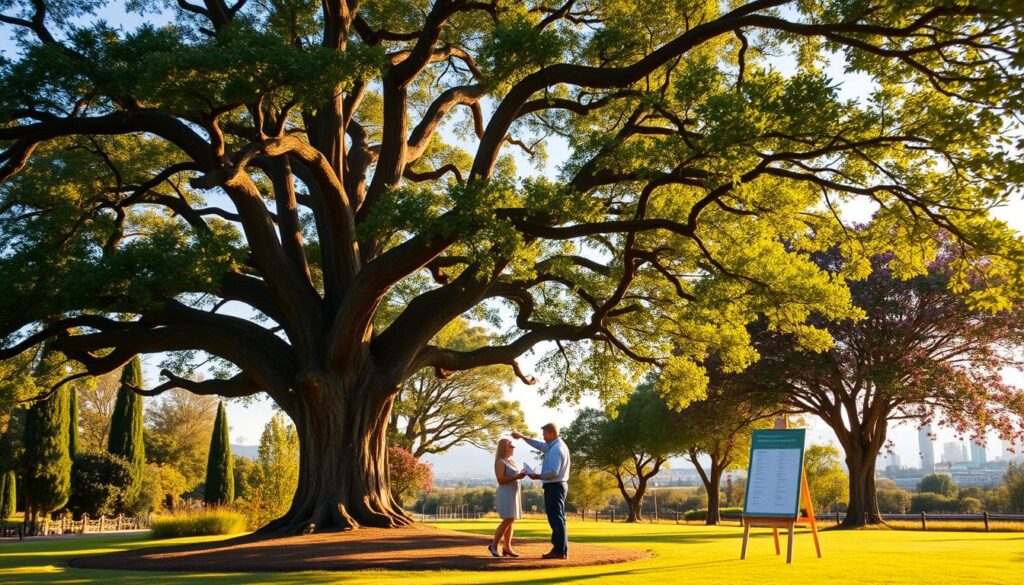
protected trees Centurion

We will show when a permit is likely needed and why compliance matters. The law in South Africa can cover verge and municipal land as well as private plots, so the risk is real.

In plain language, we preview the common legal triggers: indigenous or heritage specimens, large specimens, and development-related cases. We will also point to the safest next steps for homeowners and developers.

Read on for a clear checklist, a compact list of rules, and practical advice that keeps removal safe and lawfulGet My Free Quote

The Law: Fines & Penalties for Illegal Tree Felling

For homeowners by the Hennops River and Centurion Lake, we must consider whether a specimen is listed among protected trees Centurion before any work.

Why it matters: the rules protect biodiversity and conserve heritage specimens. They also reduce neighbourhood safety risk from falling branches or root damage during storms.

Local application is straightforward. Rules can bite in private gardens, shared complex areas, verges outside homes and on council land near Centurion Mall.

When you need permission: if a tree is indigenous or large, part of a development, on council land or likely to harm roots or stability, you normally need a written permit from the City of Tshwane or national authorities.

“Illegal removal can bring heavy fines and legal trouble; plan early and gather good evidence.”

  • Prepare photos, height/diameter estimates and exact location.
  • Expect approvals to take weeks; allow extra time in project planning.
  • Routine pruning of small, non-listed specimens often needs no permit, but check first.
A serene landscape showcasing a cluster of protected trees in Centurion, South Africa. In the foreground, include a variety of native tree species, such as Matumi and Yellowwood, their vibrant green leaves contrasting against the soft earth tones of the ground. The middle ground features a gentle slope with dappled sunlight filtering through the leaves, creating a warm, inviting atmosphere. In the background, a blurred horizon of distant hills under a bright blue sky. The scene is captured with a soft focus lens, allowing the foreground trees to stand out while creating a dreamy, tranquil mood. The lighting is natural and bright, evoking the peaceful essence of nature preservation. No humans or text should be present.

Location When a permit is needed Typical time to approve
Private garden Large/indigenous species or development work 2–6 weeks
Verge/council land Any major pruning or removal 3–8 weeks
Watercourse edge (Hennops/Centurion Lake) Species affecting biodiversity or banks 4–10 weeks

protected trees Centurion: how to check the list and identify protected species

Our first step is to match the on‑site specimen to the official list to avoid costly mistakes.

A serene landscape featuring a diverse array of protected tree species native to Centurion, South Africa. In the foreground, a close-up of a majestic, ancient tree with distinctive bark texture and lush green leaves, showcasing details like small branches and vibrant foliage. In the middle ground, a variety of protected trees such as Maple, Wild Olive, and Yellowwood, each labeled subtly with natural markers. The background includes a softly blurred view of the Centurion skyline, bathed in warm, golden sunset light, casting long shadows and creating a tranquil atmosphere. Shot with a wide-angle lens to capture the expansive view, with an emphasis on natural beauty and biodiversity, generating a mood of reverence for nature.

What is the Fine for Cutting a Protected Tree in South Africa?

In south africa a protected tree is a species declared under the National Forests Act. If a specimen appears on that list, a licence from the Department of Forestry, Fisheries and the Environment is required for removal or major work.

Do You Need a Permit? Assessing Your Tree’s Legal Status

We follow a simple, repeatable process:

  1. Photograph the trunk, canopy and any leaves or fruit.
  2. Note location: verge, private plot or public environment.
  3. Compare photos to the official list and to local municipal registers.

Red flags that suggest urgent checks: indigenous status, exceptional size or age, heritage value and siting on a verge. A large or old specimen can trigger rules even if it is not a listed protected species.

Check Action Why it matters
Leaves/fruit/bark Photograph and match to guides Helps confirm tree species
Location Record if verge or council land May require municipal approval
Size/age Estimate diameter/height Large specimens often need permits

Misidentification is common. We recommend confirming the list match before any pruning or removal to protect the environment and avoid fines.

How to Get a Tree Felling Permit from City of Tshwane

Start by checking whether the work falls under municipal control or requires a national licence. The answer shapes the whole removal process and the paperwork you must prepare.

A detailed scene depicting the tree removal permit process, showcasing a well-organized outdoor office setting in a park. In the foreground, a diverse group of three professionals, including a man in a suit and two women in business casual clothing, are examining a large blueprint of a tree removal plan on a wooden table. The middle ground features a healthy, protected tree surrounded by clear signage indicating its protected status and a caution tape. The background reveals a bright, sunny day with blue skies, emphasizing an atmosphere of diligence and respect for nature. Soft shadows cast by the tree provide a harmonious contrast. The image captures a transparent, legal process, symbolizing teamwork and ecological consideration, with a focus on conveying professionalism and responsibility.

City of Tshwane vs. DFFE: Which Licence Do You Need?

Who to ask depends on location and species status. The City of Tshwane handles verge and council land and municipal controls.

The Department of Forestry, Fisheries and the Environment (DFFE) issues a licence when the specimen is listed under the National Forests Act or when national rules apply.

What counts as regulated work

Work covers removal, disturbing major roots, heavy reduction pruning and clearance for development. Any action that risks the survival or stability of a specimen may trigger a permit.

When routine pruning usually needs no permit

Small pruning on private land typically stays permit‑free. However, if the specimen is on a verge, linked to development, or appears on an official list, you must seek permission.

Timing, delays and what to prepare

Approvals often take weeks. Delays usually stem from unclear photos, missing measurements, unsure land boundaries or no species confirmation.

“Incomplete applications are the most common cause of delay—prepare clear evidence up front.”

  1. Clear photos of trunk, canopy and leaves.
  2. Trunk diameter and height estimates.
  3. Site context: proximity to buildings, walls and services.
  4. Risk notes: lean, deadwood or storm damage.
Scenario Typical trigger Likely authority Approx time to decide
Private garden, non‑listed specimen Major removal for landscaping Municipal (if verge unaffected) 2–6 weeks
Verge or council land Any major pruning or removal City of Tshwane 3–8 weeks
Listed specimen or development clearance Removal or root disturbance DFFE licence (national) 4–12 weeks

Mitigation conditions often follow approval. Expect replacement planting, sensible disposal of green waste and specific management actions to reduce long‑term impact.

Our Services: Legal Tree Removal & Permit Application Help

When work happens near houses and power lines, care and compliance decide whether pruning is safe or harmful. In Doringkloof recent reports show excessive pruning near power cables that amounted to unlawful butchering and left large cut branches unsecured.
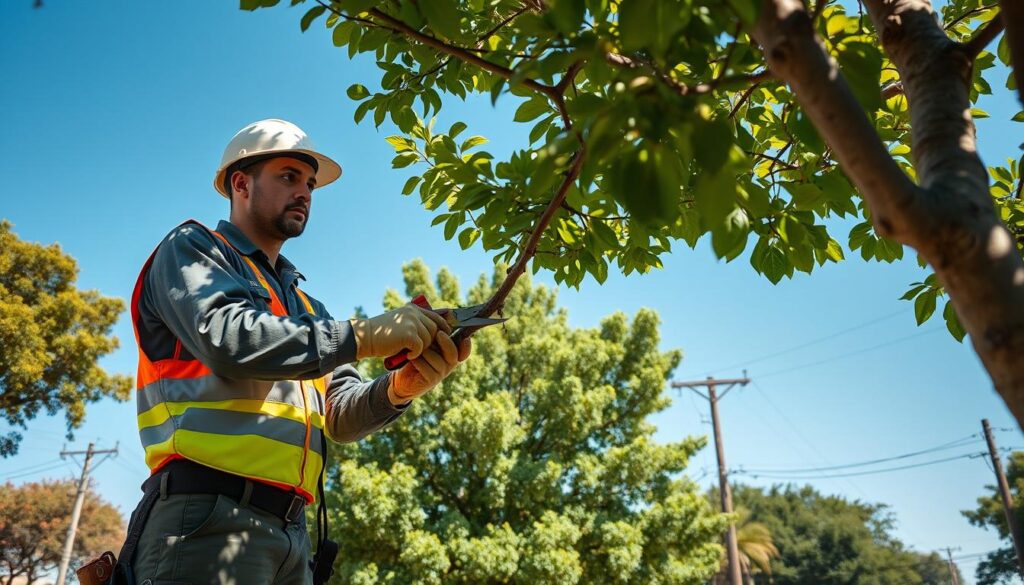
A professional arborist in safety gear, including a hard hat and gloves, carefully pruning a tree near power lines in a suburban Centurion setting. The foreground features an intricate view of the arborist's focused actions, showcasing pruning shears skillfully cutting branches. The middle ground includes a variety of mature trees with healthy green foliage, harmoniously coexisting with visible utility poles and power lines. In the background, a clear blue sky enhances the scene, suggesting a sunny day that conveys a sense of safety and compliance. The lighting is bright and natural, casting soft shadows that highlight the professionalism and care taken in maintaining both the trees and power lines. The overall atmosphere is orderly and serene, emphasizing responsible pruning in an urban environment.

Emergency Removal for Dangerous or Storm-Damaged Trees

Never lion‑tail or top to clear a power corridor. Poor pruning weakens growth and raises the chance of failure in future storms. Iconic specimens such as real yellowwood may suffer irreversible damage from unskilled cuts.

On-site risk assessment basics

We assess neighbour boundaries, pedestrian and traffic flow, access for equipment, safe drop zones and protection for roofs, walls and vehicles.

Task Why it matters Typical outcome
Powerline pruning Prevents outages and hazard Clean, legal clearance
Risk assessment Protects people and property Method statement and controls
Biodiversity walk-down Identify sensitive species Permit-ready report

When to bring in specialists

We recommend specialists for protected species walk‑downs, biodiversity assessments and development screening along the Hennops corridor. Good environmental management reduces delays and clarifies what can remain or be removed.

  1. Confirm tree species and status.
  2. Decide if a permit or licence is needed.
  3. Prepare the application pack and method statement.
  4. Carry out work to conditions and leave the site tidy.

How Tree Felling Centurion helps: we do species checks, support paperwork and manage permit‑aligned removal so the process stays lawful, neighbour‑friendly and safe.

Need Help? Let Us Handle Your Tree Felling & Permits

Always treat uncertainty as a prompt to pause and verify. If a tree sits on a verge or council land, or may be on the official list, do not guess about removal or major pruning.

Plan the process early: identify the specimen, confirm the authority, prepare clear photos and measurements, then submit the correct application. This approach cuts delays and reduces the risk of fines.

Remember the wider importance of compliance — good environmental management protects biodiversity, the local environment and neighbours where power lines and buildings are nearby.

This year, gather photos, note hazards, check boundaries and seek specialist input if in doubt. We can manage the compliance and safety part from start to finish so you move forward confidently and lawfully.

Frequently Asked Questions About Protected Trees

Can I cut down a tree on my private property in Centurion?

Protected trees Centurion refers to species given legal protection under South Africa’s National Forests Act and local by‑laws. The rules apply across private gardens, verges and council land, including areas near Centurion Mall, the Hennops River and Centurion Lake. We advise checking both national lists and City of Tshwane regulations to confirm whether a specific specimen is covered.

Why do these laws matter for biodiversity, heritage specimens and neighbourhood safety?

These regulations help conserve indigenous species, preserve trees with heritage value and reduce risks from unstable, diseased or hazardous specimens. They balance biodiversity and community safety by ensuring that removal or major work follows an assessment, so we protect urban canopy while managing risk to people and property.

How do we check the list and identify protected species?

Start with the national register under the National Forests Act and cross‑check the City of Tshwane list. Look for red flags such as indigenous origin, significant size or age, prominent location on a verge or known heritage status. We recommend photos, trunk measurements and GPS location to confirm identity.

What does “protected tree” mean under the National Forests Act?

Under the Act, a protected tree is any species proclaimed as such; it cannot be cut, damaged, disturbed or removed without a permit or licence. The law covers whole trees and significant parts, including major roots and structural branches, so even substantial soil disturbance can fall under the rules.

Which authority do we approach — the City of Tshwane or the national Department of Forestry, Fisheries and the Environment (DFFE)?

It depends on the species and the nature of the work. The City of Tshwane handles many urban applications, while DFFE licences are required for nationally listed species or actions with broader conservation impact. We check both jurisdictions when preparing an application to ensure the correct authority is approached.

What counts as “work” that needs permission?

“Work” covers removal, major pruning, root disturbance, development‑related clearance and any action that could materially harm the specimen. Routine light pruning often does not require a permit, but anything that changes structure, stability or root zone usually does, so we assess each case before advising.

When does routine pruning not need a permit, and when might it still be required?

Routine maintenance such as minor crown thinning or removing small deadwood for safety typically falls outside permit requirements. However, if pruning removes leaders, reshapes the tree substantially or occurs close to powerlines, a permit or council notification may still be necessary. We always confirm before work begins.

How long does a tree felling permit take in Tshwane?

Processing times vary from a few weeks to several months. Delays arise from incomplete submissions, the need for specialist reports (ecological or arboricultural), stakeholder objections, or seasonal backlogs. Providing complete photos, measurements and a clear risk assessment speeds the process.

What should we prepare for an application to remove or do major work on a specimen?

Prepare clear photographs, trunk diameter or girth, exact location (GPS or plan), a description of the work, and a risk note explaining hazards to people or property. Include context such as nearby services, development plans and any previous interventions. We compile this evidence to strengthen the case.

What mitigation conditions might authorities impose if permission is granted?

Authorities often require replacement planting, a contribution to biodiversity offsets, monitoring plans or stipulated disposal methods for felled material. They may also demand that work follows an approved method statement to limit ecological harm. We help design mitigation that meets licence conditions.

How do we manage powerline and storm‑risk pruning without causing irreversible damage?

We follow best practice to avoid over‑pruning or “butchering.” That includes consulting power utilities, using qualified arborists, and applying targeted crown reduction rather than removing large limbs indiscriminately. The aim is to reduce risk while retaining the tree’s health and structure.

What basics should an on‑site risk assessment cover?

Assess neighbour proximity, pedestrian and vehicle access, potential drop zones, root and soil conditions, and any underground services. We also consider timing for nesting seasons and local biodiversity sensitivities. A concise site plan and hazard register are essential for safe, compliant work.

When should we hire specialists for protected species assessments or development projects?

Bring in arboricultural and biodiversity specialists when a specimen is listed, when a development affects multiple trees or when authorities request a walk‑down assessment. Specialists provide the technical reports and mitigation plans that authorities often require.

How can Tree Felling Centurion help with species checks and permit‑aligned removal?

We offer species identification, photographic records, application support, and end‑to‑end management of removal or major works. That includes arranging qualified crews, ensuring compliance with licences and delivering mitigation planting or responsible disposal as required.