
Extraction Costs: Manual Labor vs Machine Rates
Curious which method saves you time and money? Our guide to stump removal prices Centurion is a practical cost guide for homeowners and body corporates. We explain typical ranges (roughly R1,500–R5,000 per base) and why the fastest option, stump grinding, often suits residential gardens best.
We begin by noting Tree Felling Centurion once, then move to a clear, first-person voice: we’ll show how access, root spread and soil near Centurion Mall or the Gautrain Centurion Station change the job. Properties around Zwartkops and the Hennops River greenbelts often need more time because of tricky access.
We’ll set expectations: we explain why quoted costs can vary and why a quick quote over text may miss key details. We promise to compare grinding and digging out so you see when each method gives the best value, not just the cheapest headline charge – Get My Free Quote

Stump removal prices Centurion: what you’ll typically pay
To help budgeting, we summarise the common cost bands for stump services in Centurion.
Expect a realistic costs range of R1,500–R5,000 per base depending on diameter, access and wood hardness. A 500 diameter stump is a common reference point and typically sits at about R1,500 in straightforward garden access.
Additional stumps usually add roughly R400–R850 each. Grinding is priced per base and rises with diameter and tight access. A full dig-out often costs more because of extra labour, soil carting and disposal.
- Why larger stumps cost more: multiple machine passes, deeper root flares and greater chip volume increase time and waste handling.
- When to combine work: bundling tree felling and base work often saves money—one crew, one mobilisation and one safety plan for projects in Eldoraigne or Lyttelton.
| Diameter | From | To |
|---|---|---|
| 300mm | R1,500 | R2,000 |
| 500mm | R1,500 | R2,200 |
| 1m | R2,200 | R3,500 |
| 2m | R3,500 | R5,000 |
If you’re near Jean Avenue, Centurion Lake or the N1/R21 corridor, request an itemised quote so we can factor in timing and access. Final pricing depends on site assessment, root conditions and any extra clean-up you choose.
What affects stump removal costs on your property
We assess several on-site factors before we confirm a quote. Our price starts with size: diameter and wood hardness set the baseline. Larger diameter and dense hardwoods mean longer grinding and more tool wear, which raises cost.
Root spread and grind depth matter next. Wide root systems or jobs requiring deeper grinding for replanting, paving or levelling need extra passes and time. That increases removal costs compared with a standard landscaping depth.
Access constraints often make the biggest difference. Tight side passages in Wierda Park, enclosed courtyards in Die Hoewes and patio or pool areas in Irene can force smaller equipment or more labour. We factor kit choice and crew time into our prices.
Soil makes work harder. Compacted garden soil, sticky clay patches and occasional rocky fill slow grinding and wear cutters faster. Proximity to walls, irrigation or underground services also changes how we approach the job.
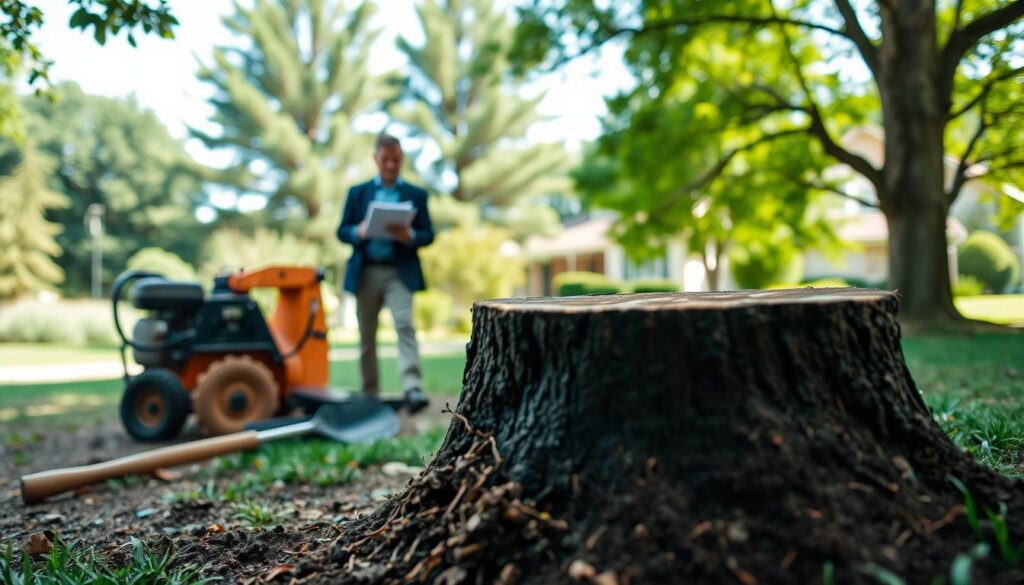
Extras such as chip hauling, backfilling and a tidy finish are optional add-ons. We often offer discounts for multiple bases—typical additional charges per extra base fall within the ranges noted earlier, reducing per-unit cost when you bundle work.
Grind vs dig: choosing the right stump removal method
We’ll help you pick the fastest, least disruptive or most thorough option based on site needs.
Stump grinding: fastest option with minimal disruption
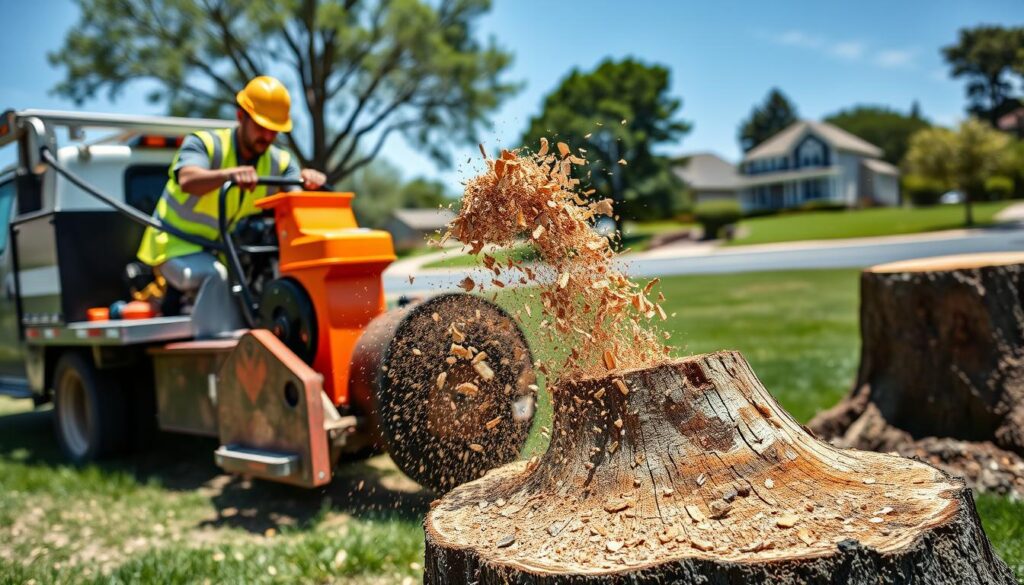
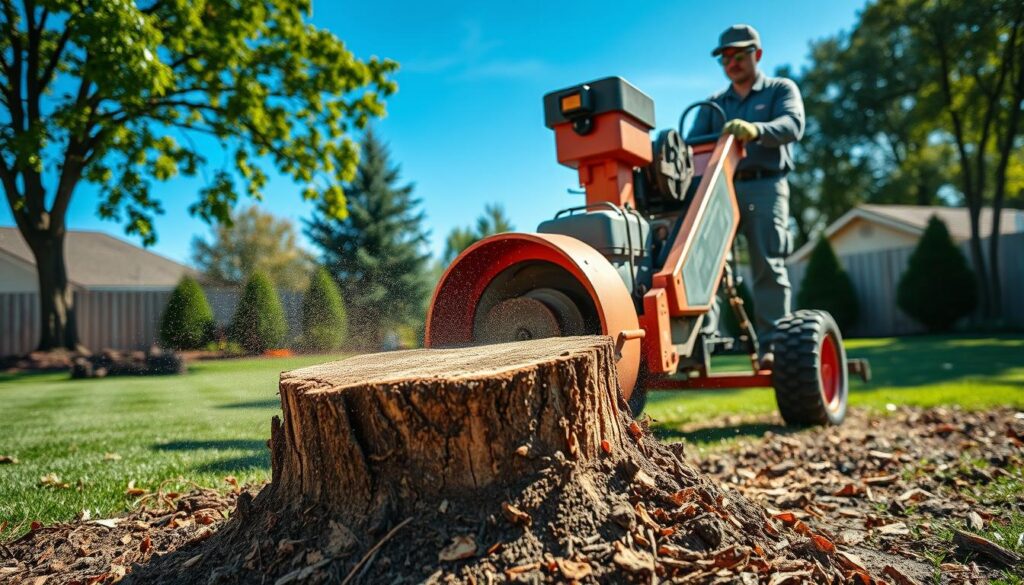
Stump grinding is our go-to for most residential gardens. It clears the base quickly, creates usable mulch and usually has lower overall costs than full extraction.
Turnaround is often same-day. That makes it ideal when you want to replant or install turf without major soil upheaval.
Digging and full extraction: when complete root plate removal is needed
Dig-out means excavation, removing the root plate and hauling soil. It is more invasive and takes longer.
Choose this if you plan foundations, boundary walls or heavy paving where roots must not regrow.
Chemical decay: slow and low-impact
For low-urgency projects, chemical decay can soften the base over weeks to months. It is low-cost but unsuitable when you need the area cleared quickly for safety or landscaping.
Manual extraction: confined gardens and small bases
Manual work suits small bases or properties with restricted gate access. It is labour-intensive but avoids machinery damage to delicate landscaping.
How method affects price and timeline
| Method | Typical timeline | Price drivers |
|---|---|---|
| Grinding | Same-day | Size, access, wood hardness, equipment |
| Dig-out | 1–3 days (excavation & carting) | Root spread, soil volume, disposal, machinery access |
| Chemical decay | Weeks–months | Product, size, follow-up labour |
| Manual | Hours–1 day | Labour, gate width, delicate landscaping |
- Choose grinding if: you want a quick, lower-disruption result for a garden or lawn.
- Choose dig-out if: you need total root removal for foundations or major hardscaping.
- Choose chemical decay if: you can wait and want a low-cost, low-impact option.
- Choose manual if: access is tight or machinery would harm the area.
Our stump removal services in Centurion and nearby areas
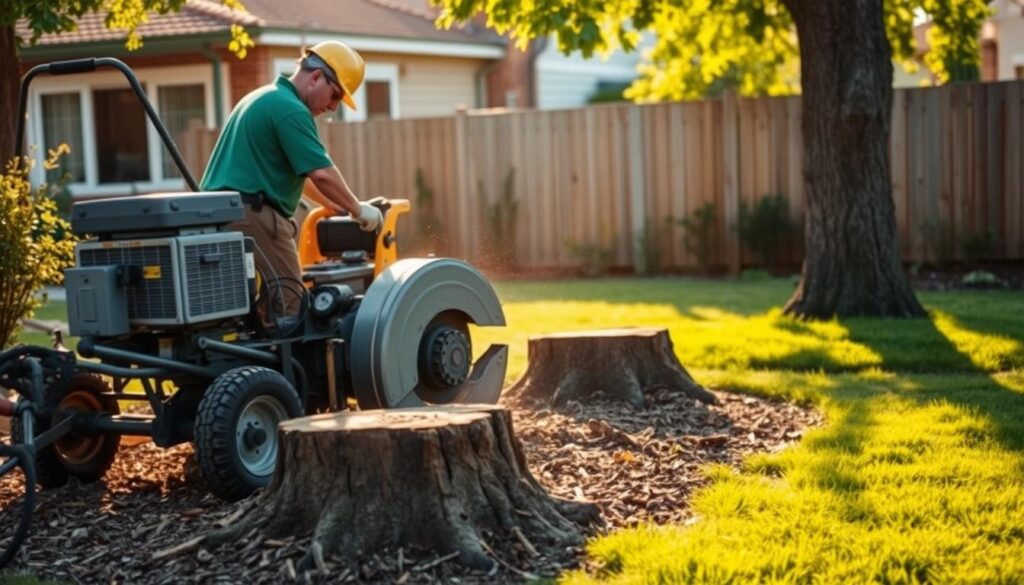
Tree Felling Centurion provides stump removal services across key Centurion suburbs. We plan each job around property access, estate rules and local logistics so we can give a realistic timeline and cost estimate.
Local coverage
We cover Irène, Eldoraigne, Lyttelton, Wierda Park, Die Hoewes and Monavoni. That local focus helps us arrive with the right equipment and crew size.
Working near landmarks and busy routes
We often work close to SuperSport Park, Centurion Mall, the Gautrain Centurion Station, Centurion Lake and Rietvlei Nature Reserve.
Jobs near the N1 or R21 need extra planning for traffic and safe access. Commercial areas can affect timing and sometimes influence costs due to parking or permit needs.
Pretoria East and wider Tshwane support
We also support Pretoria East and broader Tshwane/Gauteng for bundled tree removal and stump grinding projects. Bundling multiple sites can lower per-site costs and reduce mobilisation time.
What you can expect: professional services, safety planning and tidy work practices. We advise an on-site visit to confirm scope rather than fixed quotes over text.
| Area | Typical access note | Logistics impact |
|---|---|---|
| Irène | Residential streets, medium gates | Low; standard equipment fits |
| Wierda Park | Estate access, security checks | Medium; may need approvals |
| Lyttelton & Eldoraigne | Suburban plots, some narrow drives | Medium; smaller kit or carry-in |
| Pretoria East (wider Tshwane) | Mixed residential and commercial | Variable; bundling recommended |
What to expect from a professional stump grinding service
Before any machine moves, we assess the site, locate underground services and agree the final ground level with you.
Site assessment, safety checks and utilities
We start with a walk-round to confirm the base location, spot stones or metal, and check irrigation and utility lines.
Safety comes first: we mark hazards, plan equipment access and protect paving or walls. This saves your property and keeps the job on schedule.
Equipment we use and why it affects pricing
We deploy purpose-built grinders with guarding and containment designed for garden work.
Large machines clear faster but need room. Small carry-in units cost more in labour. That trade-off shows in our pricing and overall costs.
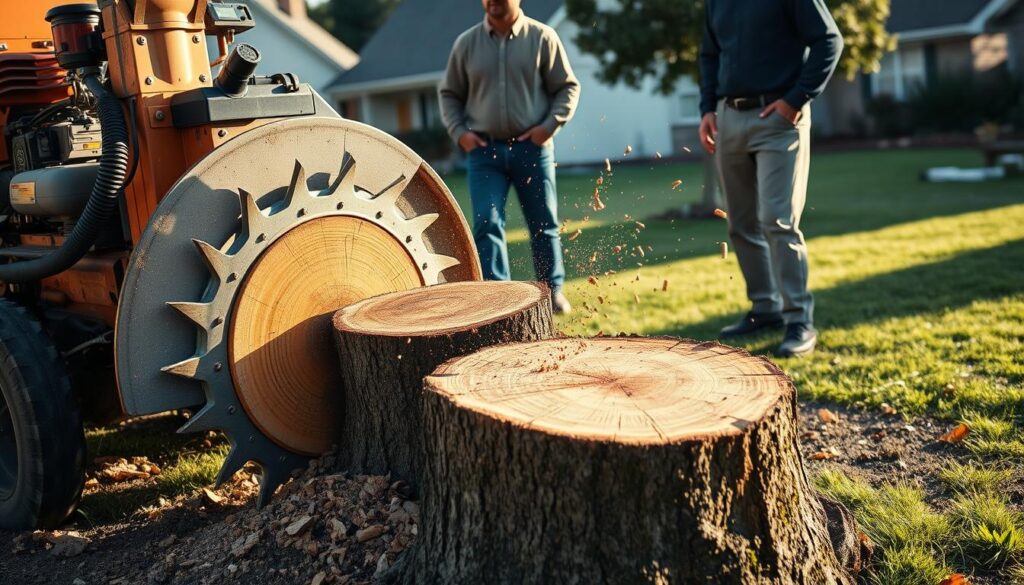
How long grinding usually takes per stump
Typical work is 20–60 minutes per base for average sizes. Hard wood, wide roots or tight access extend that time.
Deeper grinding for replanting or paving adds time and affects stump removal costs.
Managing chips, debris and finished levels
We can leave wood chips as mulch or remove them as an add-on. Choose mulch for garden beds; choose removal for a clean lawn or paving prep.
“Clear communication on finish level and chip handling prevents surprise costs and keeps projects on budget.”
| Stage | What we do | Effect on price |
|---|---|---|
| Site check | Locate utilities, hazards, access | Minor; avoids hidden costs |
| Equipment choice | Large grinder or carry-in unit | Higher for large kit or tight access |
| Grinding depth | Standard 200–300mm or deeper | Deeper = higher cost |
| Debris handling | Mulch left or hauled away | Removal adds time and cost |
We explain pricing clearly so you pay only for the service you need. Our aim is a safe, tidy outcome that protects your garden and makes future tree work straightforward.
Safety, property protection and environmental considerations
We assess and shield all nearby features to keep your landscape looking its best.
Protecting paving, lawn, irrigation, walls and nearby plants
We mark and protect paving and high-value surfaces with boards and mats. This prevents scuffs and machine damage on driveways and paths.
Grass edges and planted beds get temporary barriers so soil and debris do not smother roots. Irrigation lines are located and isolated before work starts.
Where shared walls or tight side gates occur, we use carry-in equipment and extra padding to avoid accidental harm.
Noise, dust and neighbour-friendly work planning
We plan noisy tasks for mid-morning and keep runs short to limit disturbance in estates and complexes. Neighbours get a courtesy heads-up when work may be louder than normal.
Dust control is simple: water misting and chip containment reduce airborne particles near windows and vehicles.
Eco-responsible disposal and mulch reuse options
We separate chips for mulch reuse in beds or haul them off if levelling or paving is planned. Responsible disposal minimises soil contamination and supports garden health.
| Issue | Action | Effect on cost |
|---|---|---|
| Paving protection | Boarding & padding | Minor added labour |
| Chip handling | Mulch left or removed | Removal increases cost |
| Access constraints | Carry-in or small kit | Higher due to time |
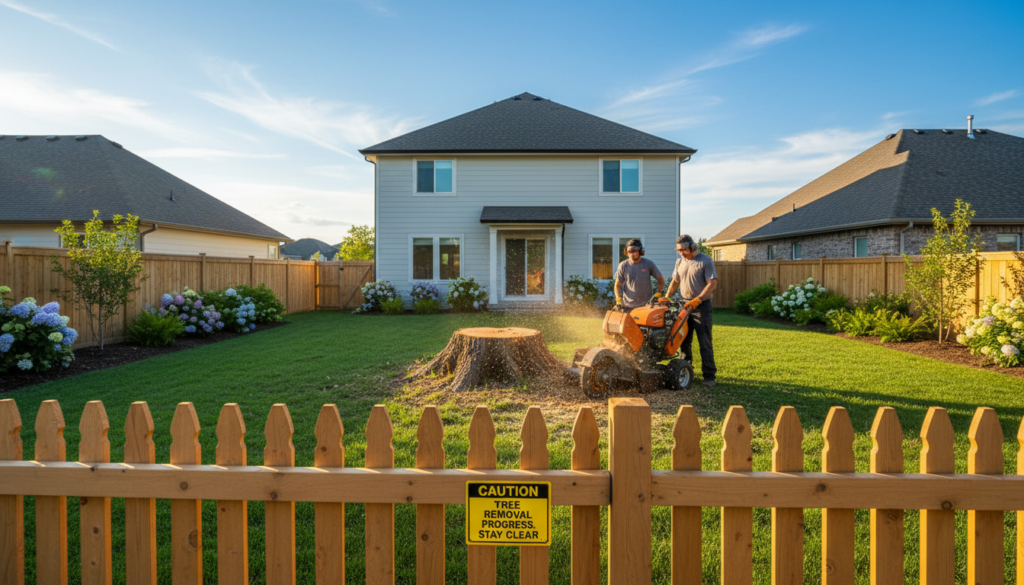
“Safety and careful planning protect your investment and keep neighbourhood disruption to a minimum.”
Safety is non-negotiable: PPE, machine guarding and a controlled workflow protect people and property, especially near play areas, pools and shared driveways.
How we quote accurately and keep pricing transparent
Accurate estimates start with the right details from your property and photos.
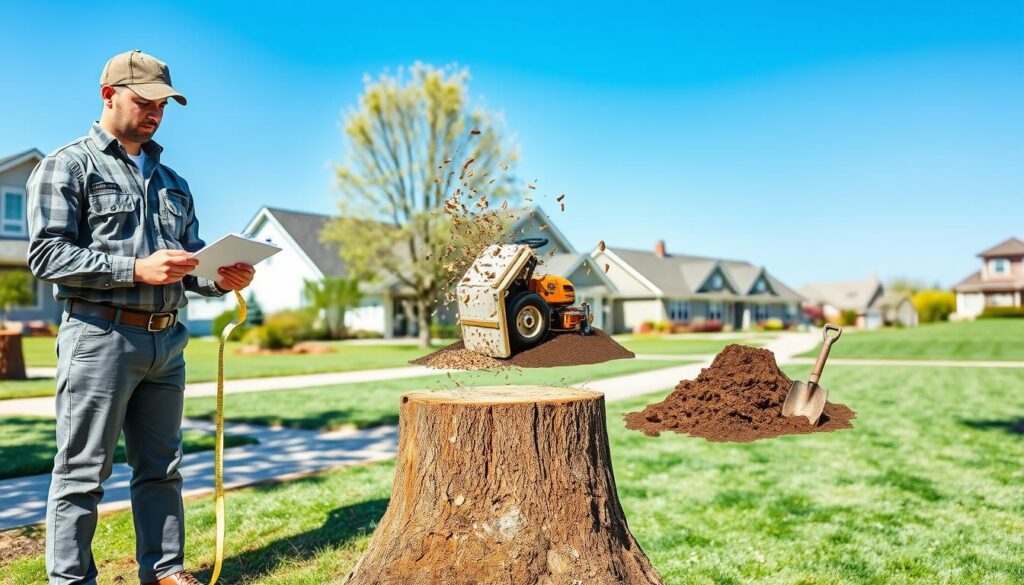
What we need from you to estimate cost correctly
Please tell us the diameter and approximate height above ground for each base. Note the number of stumps and share photos of gates, drives and nearby paving or pools.
Also mention obvious underground concerns and soil type if known. These details let us match equipment and crew to the site and avoid later surprises.
Itemised quotes: grinding depth, root management and clean-up
An itemised quote should list grinding depth, expected root work, chip handling and backfilling options.
We show which add-ons affect the final price so you can choose mulch left or haul-away, and decide on deeper grinding for replanting.
Common hidden costs to avoid when comparing services
- Disposal fees and municipal permits.
- Extra labour for tight or carry-in access.
- Additional depth for paving or root removal.
- Delays from buried obstacles or rocky soil.
“Transparent pricing means you see which factors drive the final cost, and choose what matters—speed, finish or minimal disruption.”
| Compare | What to check | Why it matters |
|---|---|---|
| Scope | Grinding depth, root work, debris | Ensures like-for-like quotes |
| Finish | Backfill, mulch left or removed | Impacts labour and disposal cost |
| Safety | Equipment choice and protections | Reduces risk and hidden repair costs |
We encourage an on-site assessment for an accurate cost estimate rather than relying on generic removal prices. Requesting a visit gives you a fair, itemised quote and clear pricing for the work you want.
Get Your Free Stump Removal Quote Today
A clear photo and a measurement of the base turn broad online figures into a reliable local estimate. We explain stump removal prices and stump removal costs using the guideline of R1,500–R5,000 per base, but final figures vary based on stump size, access and desired finish.
For most gardens, stump grinding is the best balance of speed, cost and disruption. Choose full dig-out where construction or heavy landscaping needs total extraction.
We prioritise safety and property protection, manage debris and backfill choices, and itemise any add-ons so you avoid surprises. Request an itemised quote and share photos and measurements so we can confirm accurate pricing for your location.

