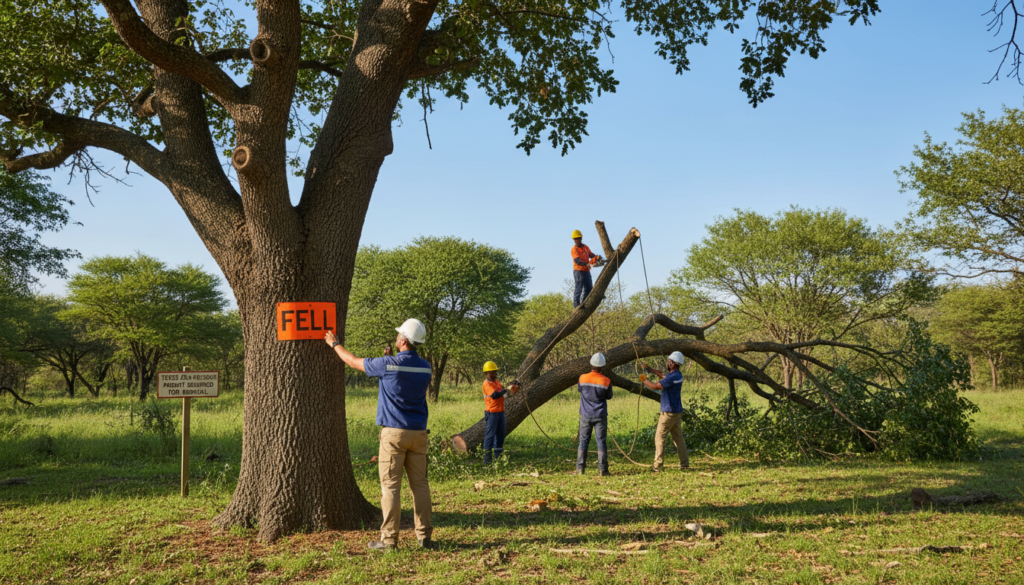
Compliance: Avoiding Fines and Legal Issues

Have you ever wondered whether a simple garden decision could lead to fines or disputes when tree felling permission Centurion might be needed?

We often advise homeowners and estates around Zwartkop, Centurion Lake and the Hennops River corridor to check rules before they act. DIY removals can create safety and legal risks, so we stress caution and clarity.

In this FAQ-style guide we explain what the laws try to protect, when permits may apply, and how to avoid fines or neighbour disputes. We cover protected and sensitive specimens, boundary and municipal land issues, and the practical steps to prepare an application.

What professional work looks like: assessment, fall-direction planning, safe equipment use, debris removal and stump grinding below ground level. We support clients with compliance documents as well as on-site work, and we keep safety and standards front of mind.

Note: this is general guidance; approvals and conditions vary by site, species and municipal rulesGet My Free Quote

tree felling permission Centurion

Do You Need a Permit to Cut Down a Tree in Centurion?

Not all cuts are equal: municipal rules and ecological concerns often change what is allowed.

Why councils regulate removals

Councils restrict work for three practical reasons. Public safety matters — falling limbs or unstable specimens are hazards. Environmental protection preserves biodiversity and river corridors. Urban management prevents damage to infrastructure and services.

Protected Tree Species List: Know What You Can’t Cut

Size alone does not decide protection. Heritage status, location near the Hennops River corridor, or bank‑stabilising roots can mark a specimen as sensitive.
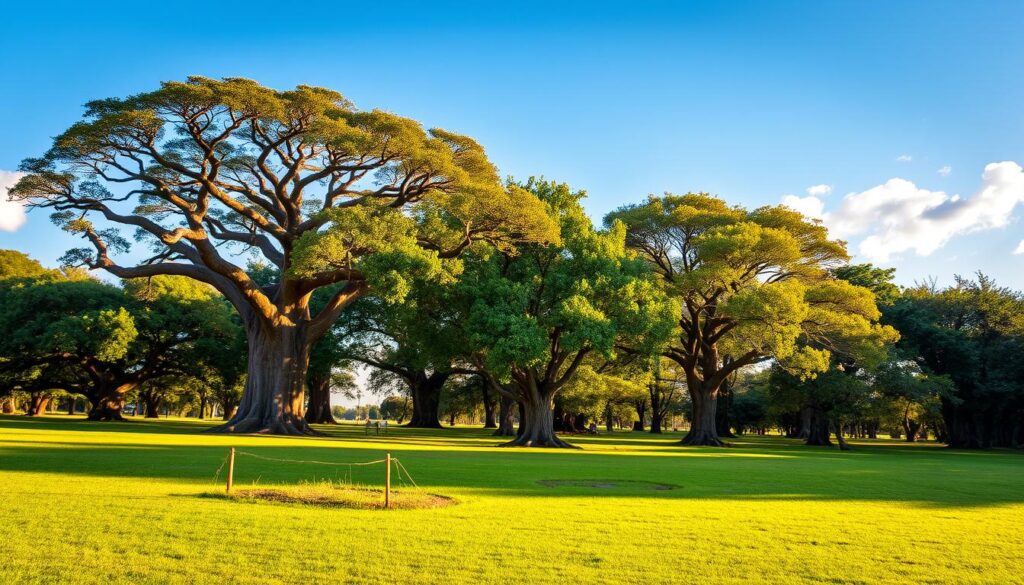
A serene landscape in Tshwane showcasing protected trees, featuring a variety of indigenous species such as the impressive baobab and sturdy yellowwood. In the foreground, a vibrant green grassy area with a small wooden fence indicating the protection zone. In the middle ground, a diverse group of healthy trees, their thick trunks and expansive canopies symbolizing resilience and life, with soft sunlight filtering through the leaves. The background features a clear blue sky with a few fluffy clouds, adding to the tranquility of the scene. The light is warm and inviting, creating a peaceful atmosphere, perfect for emphasizing the importance of tree protection laws in the area. The composition should be from a slightly elevated angle, showcasing the rich detail of the tree bark and the interplay of shadows on the ground.

“Check status and context first; that keeps disputes factual and manageable.”

Private Property vs. Municipal Sidewalks (Tshwane Bylaws)

Ownership can be unclear. A specimen may overhang or have roots on municipal land. That triggers municipal tree removal Centurion rules and possible liabilities if work affects sidewalks or services.

Trigger Example area What to check
Heritage/protected Zwartkop mature canopy Bylaw status, survey plan
Ecological corridor Hennops River corridor Bank stability, habitat role
Adjacent to services Centurion Lake stormwater channels Roots vs. drains, municipal map

Next step: once we confirm sensitivity and land ownership, the route to environmental compliance for tree felling becomes much clearer.

How We Handle Your Tree Removal Permit Process

Getting an approved application is mainly about clear evidence and sensible risk management. We guide you through the paperwork, practical checks and neighbour communication so the process moves smoothly.

A serene outdoor scene depicting a professional, well-dressed individual examining a tree felling permission document amidst a tranquil park setting in Centurion. In the foreground, the person holds a clipboard, appearing diligent and solution-oriented. The middle ground features a variety of trees, showcasing both mature and young species, symbolizing the ecological balance. The background includes clear blue skies with soft, diffused sunlight filtering through the leaves, creating a peaceful atmosphere. The lens should be focused to capture a warm, inviting mood, emphasizing the tranquility of nature and the importance of responsible tree management. The angle should showcase the individual interacting with the environment, highlighting the theme of legality and conservation in tree felling.

What information is typically needed for a request

  • Photos: clear images of the specimen from several angles.
  • Location: precise position on the property, GPS or sketch.
  • Size: approximate height and trunk diameter.
  • Reason: dead/diseased, structural risk, interference with services.
  • Aftercare plan: stump and debris disposal or reuse.
Need Why it helps Quick tip
Photos Shows condition and risk Include a ruler or person for scale
Exact location Clarifies ownership/servitude issues Mark on a site plan or Google map
Reason Municipal decision rests on impact Be specific and factual

Our 3-Step Approval & Removal Plan

We compile the documents, flag likely red flags (boundaries, servitudes, lines) and write a clear justification. That reduces back-and-forth with officials or a body corporate.

Permit Approval Timelines & Expedited Services

Administrative approval times vary. The tree felling approval timeline depends on site sensitivity and workload. On-site work usually takes about 2–6 hours once approved.

  • Speed up approval: complete docs, clear hazard reasons and proof of ownership.
  • Engage neighbours or the body corporate early in sectional title complexes.

If a neighbour disputes a removal

“Pause escalation, document condition, get a professional assessment, and keep communications written.”

We advise calm documentation, checking boundary plans and, if needed, a neutral assessment before work proceeds.

Special cases: sectional title and Irene Village estates

Estates and sectional title complexes often require body corporate approval and may have design guidelines. For Irene Village areas, allow extra time and consult the HOA early to avoid delays.

Emergency note: where there is immediate danger, safety comes first. Arrange urgent removal and then record the action for municipal follow-up.

Next: read about safety, legal and environmental checks before any work starts.

Why Hire a Certified Tree Feller in Centurion?

We step through the key legal, safety and environmental checks you must make before any removal in Tshwane suburbs. These choices affect risk, neighbours and council outcomes.

Insurance, Safety Gear & “No-Damage” Guarantee

The two main DIY problems are unpredictable fall direction and weak safety controls.

Unplanned drops can injure people or damage property. Lack of proper protective gear and rigging raises the chance of serious harm and regulatory trouble.

  1. Assess condition and surroundings.
  2. Plan a safe fall zone and escape route.
  3. Use ropes, rigging and PPE, or sectionally dismantle if space is tight.

Working near power lines, boundary walls and roofs

Proximity to overhead cables changes the method. Electrocution can occur by contact or arcing. Tight yards, tiled roofs and carports often need sectional dismantling and controlled lowering.
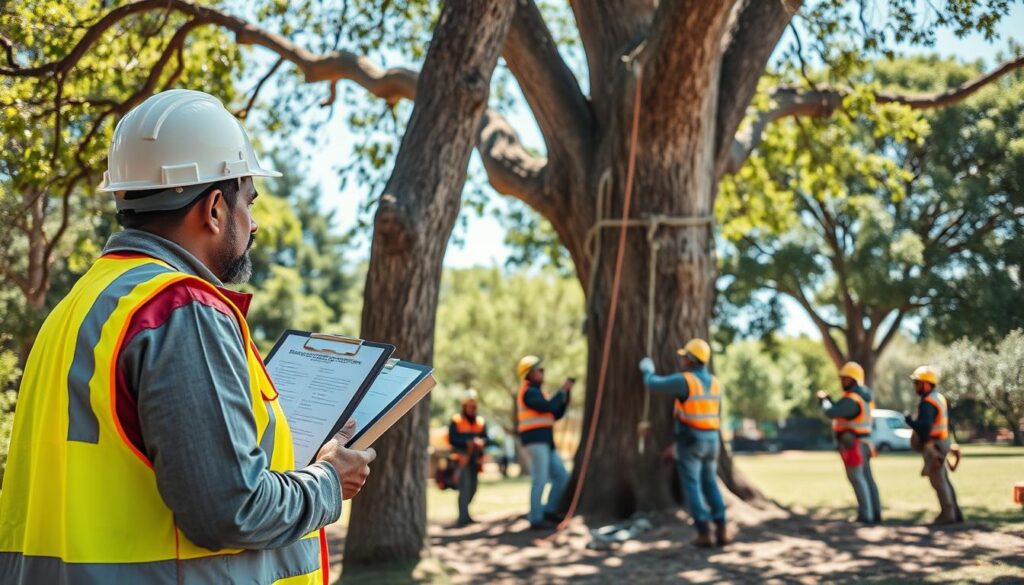
A serene scene of a professional arborist, dressed in a bright safety vest and hard hat, meticulously inspecting a large tree in a well-maintained urban park in Centurion, Tshwane. In the foreground, the arborist examines the tree's trunk and branches, holding a clipboard with safety regulations visible. In the middle ground, a team of workers in helmets and protective gear prepares to safely fell a tree, using proper equipment such as ropes and saws, demonstrating legal protocols. The background features lush greenery, with a clear blue sky ensuring a bright and safe atmosphere. Soft, natural lighting casts gentle shadows, enhancing the focus on the teamwork and adherence to safety and environmental considerations. The overall mood is one of professionalism, collaboration, and respect for nature.

Stump Removal & Root Grinding: Prevent Regrowth

Stump grinding below ground level removes trip hazards, reduces regrowth and improves appearance. For many properties we recommend professional stump removal Centurion services to avoid damage to driveways or services.

Debris removal, wood retention options and site clean-up expectations

Debris is chipped, removed or stacked by agreement. Usable wood can be left for firewood but confirm dry-storage plans. A tidy site typically means no loose branches, swept paths and lawful disposal.

Best season for cutting and when urgency overrides timing

In this region the best time to fell is often the winter dormancy (June–August), when foliage is lower and disease spread is reduced. Still, immediate hazards such as severe lean, cracked limbs or damaged roots require emergency tree removal Centurion regardless of season.

Alternatives to removal

Pruning, targeted trimming, bracing or cabling can retain valuable canopy while lessening risk. We favour proportionate work where feasible to balance safety and environmental sense.

Issue Common solution Expected outcome
Overhead lines Contact utility, controlled rigging Reduced electrocution risk
Restricted yard Sectional dismantle, winch lowering No damage to walls or roofs
Stump Grind below ground level No regrowth, safe surface

“Law, safety and aftercare must be considered together to avoid surprises mid‑project.”

Get Your Free Quote & Permit Assessment Today

Practical planning and professional support make complex removals straightforward in suburban Tshwane.

In short, approval hinges on species, location, sensitivity and land ownership. A rules‑first check reduces fines, delays and neighbour disputes.

Our workflow is simple: confirm whether a specimen may be protected, verify boundary or municipal land status, compile clear supporting information and then schedule the safest method.

Properties near Centurion Lake, the Hennops corridor, Zwartkop or estates around Irene Village can face extra environmental or body‑corporate steps. DIY attempts often fail on fall control, power‑line risks and stump or debris handling; professional planning lowers those hazards.

We can help with documentation, safe methods, stump grinding and tidy clean‑up so you make informed, low‑risk choices.

FAQ

What are the main laws and permits governing tree removal in Centurion (Tshwane)?

South Africa protects certain trees under national and municipal bylaws, and the City of Tshwane enforces local ordinances that apply in Centurion. We recommend checking the Tshwane Environmental Management Framework and local municipal bylaws before any work. If a tree is within a protected area, conservation zone or near a watercourse such as the Hennops River corridor, you will usually need formal approval from the municipality or a qualified environmental professional.

Why is tree removal regulated in South Africa?

Regulation preserves biodiversity, prevents erosion and safeguards rivers, wetlands and urban amenity. Trees also offer shade, carbon capture and habitat for birds. We support sensible controls that balance private property rights with broader public and environmental interests.

When is a tree considered protected or sensitive in Centurion?

A tree may be protected if it is a listed species, part of a heritage area, within a conservation zone or growing on municipal land or riverbanks. Size, age and location — for example near Centurion Lake or along the Hennops River corridor — can make a tree sensitive. We advise verifying status with Tshwane’s environmental department before acting.

How do property boundaries and municipal land affect legality of removal?

Ownership matters. If a tree straddles a boundary or stands on municipal land, you need permission from the neighbour or the municipality. Removing a tree that isn’t on your property can expose you to fines and liability. We always check title deeds and municipal maps as part of our assessment.

What information is typically needed for a permit request in Centurion?

Municipalities commonly ask for a site plan, photos, species identification, diameter measurements and a motivation for removal. If the tree is near a watercourse or within an estate, an environmental impact assessment or arborist report may be required. We prepare clear, compliant documentation to improve approval chances.

How do we help prepare supporting details and avoid delays?

We conduct on-site surveys, produce accurate photographs and measurements, and write concise arborist reports that address municipal criteria. We also lodge applications correctly and follow up with officials. This reduces back-and-forth and speeds decision-making.

What are typical timelines for approvals and how can they be sped up?

Timelines vary — simple cases may take a few weeks, while complex or contested applications can take months. Providing complete documentation up front, using a qualified arborist and responding promptly to municipal queries will shorten waits. We maintain contact with the municipality to track progress.

What should we do if a neighbour disputes a tree removal?

First, try to resolve the issue through discussion and by sharing the arborist report. If disagreement continues, the municipality will adjudicate based on evidence and bylaws. Legal mediation or an independent assessment can help. We assist clients with neighbour engagement and, where necessary, formal representations.

Are there special rules for sectional title complexes and estates near Irene Village?

Yes. Homeowners’ associations, body corporates and estate management often have their own rules requiring committee approval or specialist reports. Proximity to Irene Village and estate conservation areas may add restrictions. We liaise with trustees and estate managers to ensure compliance with both municipal and estate requirements.

What legal and safety risks exist with DIY cutting in Centurion?

DIY removal can breach bylaws, void insurance and create injury or property damage risks. Falling branches near roofs, walls or people can cause costly liability. We always recommend professional arborists with proper equipment and insurance to manage risk and legal exposure.

What precautions are required when working near power lines, boundary walls and roofs?

Work near power lines needs Eskom or municipal electricity coordination and specialist training. Proximity to boundary walls and roofs requires careful rigging and sometimes structural assessment. We arrange qualified teams, permits and utility notifications to keep everyone safe and compliant.

What happens to the stump and why does stump removal matter?

Stumps can re-sprout, harbour pests or obstruct lawns and construction. Stump removal or grinding eliminates these issues but has cost and soil-impact implications. We advise on whether to remove or treat stumps depending on landscape plans and provide mechanical grinding services where required.

Who removes debris, and can we keep the wood after felling?

We typically include debris removal and site clean-up in our service. Clients may keep timber for firewood or reuse where permitted. In sensitive areas near waterways, we follow disposal rules to prevent pollution. We discuss retention options and any municipal restrictions before work begins.

When is the best season for removal in Centurion’s climate, and when is urgency more important?

The drier months are generally better for work because access is easier and soils are more stable. However, urgent hazards — unstable trees, storm damage or immediate risk to people or property — override seasonal preference. We can expedite assessments and emergency removals when safety is at stake.

What alternatives exist to full removal, such as pruning or cabling?

Pruning, crown reduction, selective limb removal, bracing and cabling often extend a tree’s life while reducing risk. These measures can preserve amenity value and avoid permit complications. We assess each tree and recommend the least intrusive option that addresses safety and longevity.

How much will a permit application and removal typically cost in Centurion?

Costs vary with tree size, species, location and complexity of the application. Fees include the arborist report, municipal application charges and the physical removal or pruning. We provide transparent written estimates that break down assessment, permit support and on-site work so clients know what to expect.

Can trees be replanted after removal and are there local guidelines?

Replanting is often encouraged, especially in municipal and estate developments. Local guidelines may specify species, spacing and aftercare. We advise on suitable indigenous species for Centurion’s climate and can manage replanting and establishment to meet municipal or estate conditions.