
Expert Answers: Costs, Time, and Process
Have you been searching for tree felling questions Centurion answers when wondering whether removal is the only sensible option for a large garden specimen? This FAQ hub is tailored for local homeowners. We explain common concerns in plain language so you can decide with confidence.
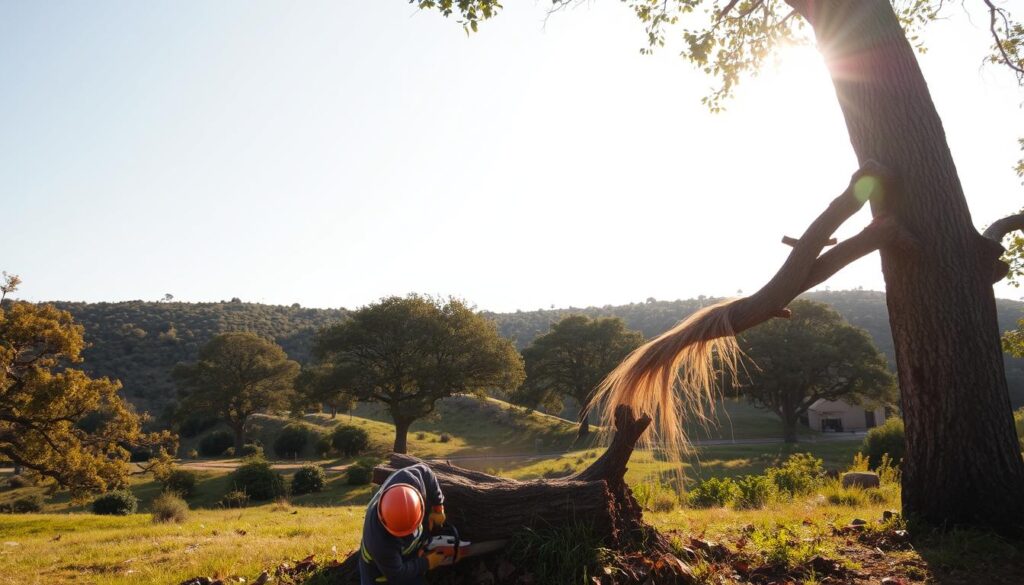
We introduce Tree Felling Centurion as a Centurion-specific resource that gathers the most practical answers in one place. Our focus is on safety, legal matters, timelines and costs, plus related services like stump grinding, pruning and emergency removal.
We define tree felling clearly and show when maintenance can avoid removal. Our approach is systematic: assessment first, a safe work zone, controlled cutting and tidy clean-up afterwards.
Expect advice framed around suburban risks — tight driveways, boundary walls, pools and nearby roofs — and local realities such as strong winds and busy roads. Scan by headings to jump straight to the section that matches your immediate concern – Get My Free Quote
Welcome to Tree Felling Centurion: what this page covers and how we help locally

Welcome — this page of tree felling questions Centurion sets out clear, local guidance on removal, pruning and routine tree maintenance.
We serve homeowners and property managers across the area, including suburbs near Centurion Mall, SuperSport Park and the Gautrain station. Access and safety planning matter most in these busy zones.
What we cover and who this is for
Our FAQ explains felling, tree removal, stump work, tree trimming, pruning, emergency call-outs and the safety checks that shape quotes and timelines.
Use this page if you’re worried about safety, mess, neighbours, boundaries or compliance. We tailor advice to each property rather than offering one-size-fits-all answers.
When to prune or trim instead of removing
When a specimen is healthy but overgrown, pruning or trimming usually solves the problem. Removal is the safer option when a tree is badly damaged, diseased, unstable or interfering with structures and utilities.
How we work locally:
- Site visit and assessment to check risks and access.
- Clear plan for safe work and careful debris handling.
- Finished job left tidy to minimise disruption for people nearby.
Tree Felling Centurion will assess your property and advise the best route. After this paragraph we refer to the company as we to make next steps simple and clear.
| Service | When to choose | Typical outcome |
|---|---|---|
| Pruning / trimming | Overgrowth, minor defects | Healthier canopy, reduced storm risk |
| Removal | Severe damage, disease, hazard | Removed hazard, clear site |
| Stump work | Prevent regrowth, remove trip hazards | Safer, neater garden |
tree felling questions Centurion: the most common concerns we hear from homeowners
Before we start, most people want clear answers about safety, cost and disruption. These are the core concerns that shape a quote and the job plan.
Safety, cost, timelines and mess: what people want to know upfront
Homeowners ask four simple questions: Is it safe?, How much will it cost?, How long will it take?, and What mess will be left?
- We assess risk and complexity to give realistic time and price estimates.
- Where hazards or tight access exist, we favour sectional dismantling over a single drop.
- We set expectations on noise, sawdust and temporary disruption before work begins.
How we protect nearby structures, gardens and driveways during removal
We protect roofs, walls, paving, irrigation and beds with barriers, padding and staged cutting. This reduces the chance of damage to nearby structures and the wider property.

| Area | Protection | Outcome |
|---|---|---|
| Roofs & gutters | Padded rigging, sectional lowering | No impact, clear access |
| Driveways & paving | Boards, ground protection | No scuffs, safe vehicle access |
| Garden beds | Tarps, careful debris removal | Plants preserved, neat finish |
We communicate on the day so everyone knows where not to walk or park. Our team puts safety and control first throughout the process.
What is tree felling and how is it different from tree cutting and tree removal?
Simple definitions stop confusion between services and speed up assessment and quoting. Below we set out clear terms so you can request the right job with confidence.
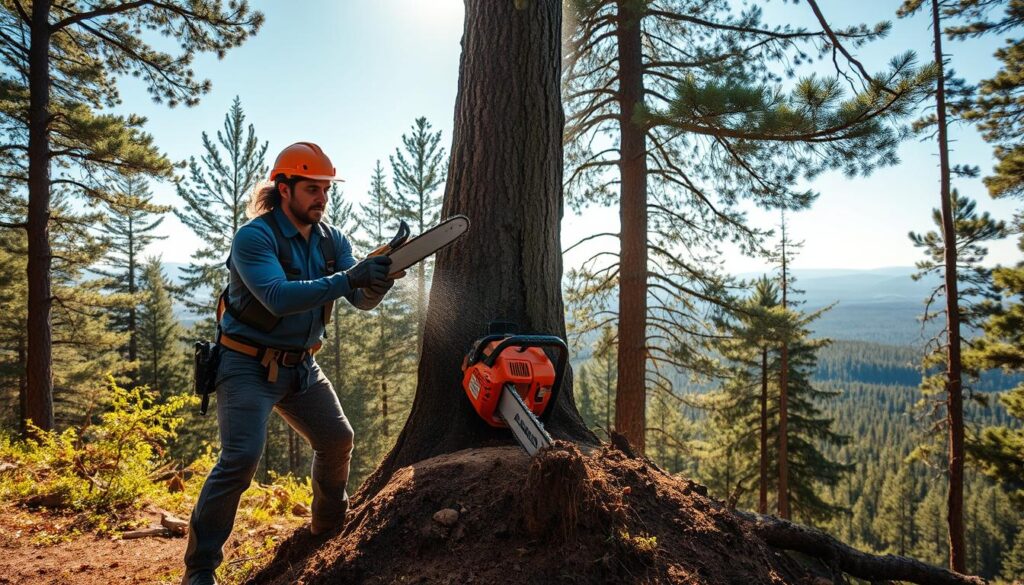
Clear definitions so you can request the right service
Tree felling is the controlled act of bringing a standing specimen down, usually at or near the base, using planned cuts and safety controls. We use this term when the intention is to bring the whole specimen to ground.
When removal is essential versus when maintenance solves the problem
Tree cutting is broader. It can mean trimming branches, sectional dismantling or full felling. Saying exactly what you need avoids wrong quotes.
Tree removal describes the full outcome: cutting into manageable pieces, clearing debris and often dealing with the stump. By contrast, maintenance covers pruning and trimming to improve health or reduce risk.
| Term | Meaning | When to choose |
|---|---|---|
| Felling | Bring down the whole specimen | Dead, unsafe or obstructive |
| Cutting | Any form of cutting work | Minor reductions, access work |
| Removal | Full take-down and clear-up | Hazardous, close to buildings |
- Key decision factors: structural integrity, signs of decay, proximity to buildings and likely branch failure.
- Preservation options such as bracing or cabling may suit some sites when risk is manageable.
Using the right name for the job gives clearer scope, fewer surprises on price, time and clean-up.
When should a tree be felled in Centurion?
Deciding when to remove a large specimen in our suburb relies on clear signs, safety checks and local context. We prioritise obvious hazards and factors that affect neighbours, access and public paths.
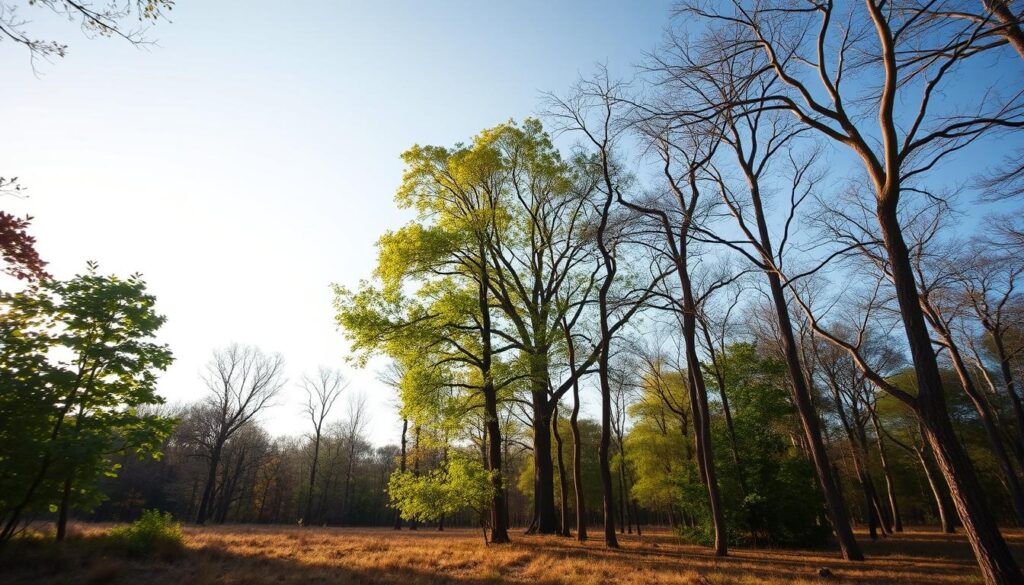
Signs of disease, decay and declining health
Look for visible disease such as fungal fruiting bodies, major deadwood and sparse or discoloured leaves. Reduced new growth over seasons is a strong indicator that health is failing.
Leaning specimens, storm damage and compromised branches
A pronounced lean, cracked unions or a storm‑shattered crown increase the chance of sudden damage. Split limbs and hanging branches may hide deeper weakness in the trunk or unions.
Interference with nearby structures, boundary lines and access routes
When a specimen threatens roofs, garages, solar panels, walls or narrow driveways we treat the issue urgently. Close proximity to neighbours and shared access routes makes uncontrolled falls unacceptable.
Risks around power lines and busy areas near the Hennops River paths
Trespass into power lines is an immediate escalation and needs specialist planning. We are also cautious with specimens beside the Hennops River paths where foot traffic and cyclists make conservative action sensible.
Our view: act before a failure creates an emergency. Proactive assessment often saves costs and keeps people and property safer.
How the tree felling process works from assessment to clean-up
We walk you through each stage of the job so you know what happens from arrival to final clean-up.

Site assessment and planning the fall direction
On arrival our team inspects lean, canopy weight, wind exposure and nearby structures. We map a safe fall direction or decide on sectional removal if access is tight.
Directional felling: notch, back cut and hinge control
Directional felling uses a notch to aim the drop, a back cut to release, and a hinge of wood to control the fall. This method gives predictability and reduces risk to roofs and walls.
Sectional dismantling with ropes and rigging for tight spaces
Where properties or structures prevent a full drop, we use ropes, pulleys and rigging to lower branches and trunk sections. Equipment and skill keep impact on lawns and paving to a minimum.
Debris removal and leaving the property tidy
We cut material to manageable lengths, stack or load offcuts, and clear sawdust and small debris. The sequence saves time on site and leaves your property tidy.
Optional wood retention: keeping logs for firewood or reuse
If you want logs for firewood or reuse, we can retain and cut them to practical sizes, subject to access and scope. This service depends on time and the agreed removal plan.
| Stage | What we do | Why it matters |
|---|---|---|
| Assessment | Inspect, plan fall or dismantle | Sets safe work method and equipment |
| Directional cut | Notch, back cut, hinge control | Predictable fall, protects nearby structures |
| Sectional removal | Ropes, rigging, lowered sections | Safer in tight gardens and near property |
| Clean-up | Cut to size, stack/load, rake | Minimises disruption and restores ground |
Safety precautions we follow on every job
Before any saw runs, we secure the area so people and property remain protected. Our approach is practical and consistent. We do not encourage DIY and only trained staff carry out high‑risk work.

Creating a safe work zone for people, pets and vehicles
We cordon off a clear perimeter and mark the drop and swing zones. This keeps residents, pets and parked cars well away from any falling branches or debris.
Access routes are kept open for emergency use and to move large sections safely.
PPE, equipment checks and controlled cutting techniques
Our team wears helmets, eye and ear protection, gloves and chainsaw trousers. We check all equipment before use to lower the chance of failure.
Cutting follows staged reductions and rigging where needed to control loaded branches and reduce impact.
Managing hazards near walls, roofs, pools and parked cars
Where structures are close we favour lowering sections with ropes rather than free‑fall drops. This reduces damage and keeps the site predictable.
We stack and move heavy pieces with planning so the property is left safe and tidy at the end of the services.
Working near power lines and public infrastructure in Centurion
Working near live cables and public assets calls for more than skill — it needs strict planning and clear coordination.
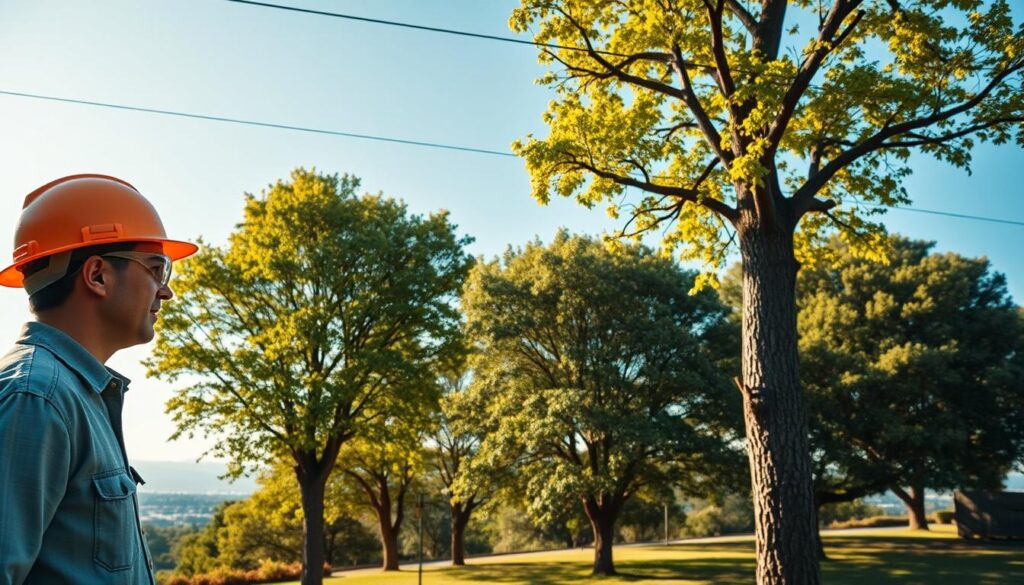
Why power-line clearance is high-risk and needs specialist planning
Interference with power lines is one of the highest hazards we face: a single mistake can cause electrocution, fires, outages or damage to public structures.
That risk means we prefer controlled dismantling and lowering pieces rather than any technique that might contact cables.
Reducing disruption near schools, parks and main routes
We plan to protect people and keep traffic moving. Near schools, parks and busy routes we set exclusion zones, work outside peak times where possible, and coordinate with local authorities.
Risk controls include staged cuts, careful rigging and sequencing so limbs cannot swing towards lines. Using the right equipment and a clear process also reduces noise and time on site.
“When public infrastructure is involved we adopt conservative decisions and extra coordination as standard practice.”
Please tell us about any nearby cables when you request a quote — it directly affects method, time and cost of our services.
Stump removal explained: what it is and why it matters
Removing the old stump often finishes the job properly and stops future headaches in the garden.
What we mean by stump removal: it is the process of taking out the remaining base after a specimen is cut down. Leaving a stump can look unfinished and create ongoing maintenance requirements rather than saving money.
Preventing regrowth and improving appearance
Some species send up shoots from the stump which can become a repeated task for homeowners. Complete removal prevents that regrowth and gives a clean, level area ready for turf or planting.
Removing trip hazards in busy spaces
A protruding stump is a real hazard in front gardens, shared driveways and paths used by children and visitors. Removing it reduces the chance of trips and injuries and improves usable space.
Reducing decay-related pests and fungal issues
Decaying wood attracts pests and fungal growth that may spread to nearby beds or timber structures. Stump removal lowers those risks and helps protect the wider property.
| Issue | Benefit of removal | When we recommend it |
|---|---|---|
| Regrowth | No shoots or ongoing maintenance | Species known to coppice |
| Appearance | Level ground for landscaping | Preparing for turf or paving |
| Pests & decay | Reduced infestation risk | Stumps showing rot or fungus |
Our approach depends on access, stump size and what you plan for the area. We advise the most suitable method so the ground is safe, neat and ready for future use.
Stump removal methods we use and when each is best
Choosing the right removal method depends on access, stump size and what you plan to do with the space next. We explain the main options so you can decide quickly and with confidence.
Stump grinding below ground level: the common option
Stump grinding is our most common approach. A powered grinder chips the stump down below ground level so you can top up soil and replant or lay lawn.
This process is usually fast, uses compact equipment and causes minimal disruption. Typical time on site depends on stump diameter and root spread.
Manual stump removal: when access or constraints require it
Where gates are narrow, slopes are steep or sensitive landscaping is present, we remove a stump by hand. This avoids bringing machinery onto fragile ground.
Manual removal takes longer but protects paving and nearby services. We discuss these factors when we quote so there are no surprises.
Quick comparison to help you decide
| Method | Time | Disruption | Best for |
|---|---|---|---|
| Stump grinding | Quick (hours) | Low | Replanting, lawn repair |
| Manual removal | Longer (half‑day to day) | Moderate | Narrow access, sensitive landscaping |
| Outcome | Below ground | Chips or removed | Choice of mulch or full removal |
We can leave grindings as mulch or remove them as part of our services. Stump size, root spread and proximity to paving or underground services are the key factors we check before we start.
Tree pruning and trimming: benefits, timing and long-term tree maintenance
A planned maintenance routine stops minor problems becoming expensive emergencies. Our approach focuses on regular care that keeps specimens healthy, balanced and safe.
Promoting healthy growth and better canopy structure
Pruning targets dead or crossing limbs to improve airflow and light. This reduces stress and lowers disease risk, helping overall growth and health.
Reducing storm risk by removing dead or weak branches
Trimming removes poorly attached branches and reduces sail effect in strong winds. Clearing weak parts cuts the chance of sudden failures and property damage.
How often to prune: typical 3–5 year guidance and what changes it
We recommend maintenance every 3–5 years for many trees. Faster growers, species type, past pruning quality, storm exposure and proximity to buildings or walkways can change that schedule.
When maintenance is preferable: regular pruning and trimming often avoid removal. Repeated cuts without structural improvement, however, can signal failing form and may need a different solution.
Our advice: planned pruning is usually cheaper and less disruptive than emergency work after storm damage. Treat maintenance as prevention, not an afterthought.
Emergency tree removal in Centurion: what counts as an emergency and what to do next
Immediate removal is about protecting people and property when a specimen fails or threatens to. We define an emergency as any situation that creates an immediate threat — active splitting, a partially fallen specimen, a blocked driveway, or hanging branches likely to drop.
Storm-related failures near Rietvlei and open, windy areas
Open areas around Rietvlei Nature Reserve suffer gust exposure that can snap limbs or topple weakened trunks. Such storm damage quickly raises the risk of further falls and secondary harm to roofs and walls.
Immediate threats to people, property and access
Do not attempt chainsaw work yourself. Keep people and pets clear, and avoid parking under the canopy until the risk is assessed.
- First steps: secure the perimeter and move everyone to safety.
- What we do first: stabilise hazards, clear access routes and protect nearby structures.
- Then: our team completes safe, sectional dismantling and debris handling.
Note: the scope of emergency removal often changes once we inspect — hidden cracks, root-plate movement or multiple damaged specimens after a storm can extend time and work. Quick, professional action reduces further damage to property and stops loose branches from causing injury.
Costs, timing and what affects a quote for felling services
Understanding what drives a quote makes comparing providers simpler and keeps surprises to a minimum.
Key cost factors we check on site
Price depends on size, condition and how close the specimen is to buildings or other obstacles.
Accessibility matters: narrow gates, steep driveways or soft lawns change the equipment and crew we use.
Extras that change the scope
Common add-ons include stump removal, full debris removal and extra risk controls such as rigging or traffic management.
“Cheaper quotes often omit important safety steps or clean‑up.”
How long the job can take
A small, accessible job may be completed in a few hours. Larger specimens near structures need staged work and extended clean‑up, so the time on site grows.
| Driver | Typical impact | Why it matters |
|---|---|---|
| Size & canopy | More labour & equipment | Controls duration and price |
| Accessibility | Special access or manual work | Affects safety and cost |
| Complexity | Rigging, sectional dismantling | Increases time and scope |
Our aim: we give clear scopes so you can request a quote and compare like‑for‑like for removal or any related services on your property.
Permits, responsibility and environmental considerations in South Africa
Before work begins we recommend checking local rules. Municipal bylaws and national regulations can affect what is allowed on private land. For mature or protected specimens, permits are often required and the process varies by area.
When you may need permission, especially for protected or heritage trees
Many municipalities list protected species or heritage specimens. If a specimen is on that list, removal or major pruning usually needs written permits.
We advise homeowners to contact their local council early. That avoids delays and potential fines.
Why DIY work can cause safety, legal and insurance issues
Attempting removal without expertise creates clear safety risks to people and property. A poorly judged cut can hit roofs, cars or power equipment.
Insurers and courts may view DIY attempts differently. If damage occurs after unauthorised work, legal and insurance consequences become complex.
Responsible practices: minimising impact and supporting replanting where suitable
We favour methods that reduce impact on surrounding vegetation and wildlife. That includes careful staging, waste management and leaving soils tidy.
Replanting is a practical way to restore canopy cover and add value to your garden after removal. Where replanting suits the site, we can advise species and placement.
| Concern | What to check | Our approach |
|---|---|---|
| Permits | Local bylaws, protected lists | Check council, secure permissions |
| Safety | Nearby people, structures, lines | Use trained crew, controlled methods |
| Environmental impact | Wildlife, soil, neighbouring plants | Minimising disturbance, strategic removal |
| Aftercare | Replanting, soil restoration | Advice, saplings or mulch options |
Ready to Clear Your Garden? Get Your Free Quote Today
To conclude, a clear, assessment‑first approach gives the best outcomes for any tree felling or removal job. We start with a site inspection, set a safe work zone and pick the correct method—directional drop or sectional dismantling—so the process is controlled and predictable.
Good results also need tidy debris handling and a decision on stump or stump removal as the finishing step. That prevents regrowth, removes trip hazards and restores usable space on your property.
Regular pruning and trimming remain the best long‑term services to reduce risk, extend healthy life and avoid emergency work after storms. Use these FAQs as a checklist when you compare quotes and choose the right scope for your area.
Safety‑led decisions are the smart default for suburban gardens, public routes and storm‑exposed sites.

