
PPE & Protocols: How We Protect Your Home
We explain why tree felling safety standards matter for Centurion homeowners and estate managers before any work begins, and set expectations for a clear, practical how‑to guide.
Tree Felling Centurion draws on national guidance and OSHA data to remind readers that more people are killed while felling trees than in other logging tasks. A chainsaw is an inherently hazardous power tool, so calm, disciplined planning must be the top priority for professionals and occasional users alike.

In this guide we explain who this is for — homeowners, estate managers and anyone supervising work in busy Centurion zones — and what “safe” means: control the fall, control people’s positions, control tools, and stop work when conditions change.
We preview practical sections on site checks, planning, PPE, chainsaw basics for the operator, local hazards near schools and mixed‑use streets, retreat routes and directional cutting methods – Get My Free Quote
Safe tree work in Centurion near Centurion Golf Club and the Hennops River corridor
In the Centurion Golf Club and Hennops River corridor area, even small jobs need careful planning to avoid unexpected movement of timber and debris.
We check common local hazards before any cut. Overhead wires, nearby buildings, parked vehicles and roadways affect the intended direction of a fall. Wind funnels beside fairways and along the river can change the way limbs travel.
People and access matter. Joggers and cyclists on river paths, golfers and maintenance staff near course edges, and estate traffic all shift through the day. We treat pets and bystanders as active risks and set a conservative no-go zone.
Ground conditions are equally important. Riverbank soils can be soft or undermined after rain, and adjacent stems may pull or lever a load unexpectedly. We mark an outer work area, confirm escape routes and keep the site dynamic until proven stable.
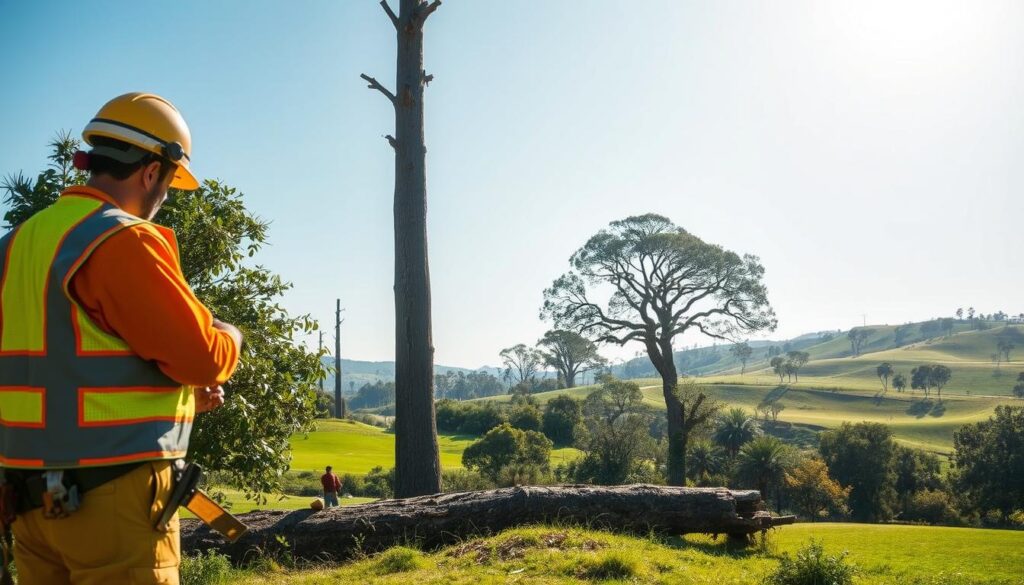
- Plan for change: wind, people or vehicles can force us to stop.
- Define limits: a clear work area and escape path reduce guesswork.
- Check the ground: soft banks and hidden hollows alter risk.
Next, we explain the mindset and planning steps that prevent rushed decisions before a single cut.
How we apply Tree Felling Centurion’s job-site safety mindset before a single cut
We start every job with a brief, focused check that forces clear decisions on risk and route. This slow-down at the outset makes the whole operation controlled, predictable and repeatable.
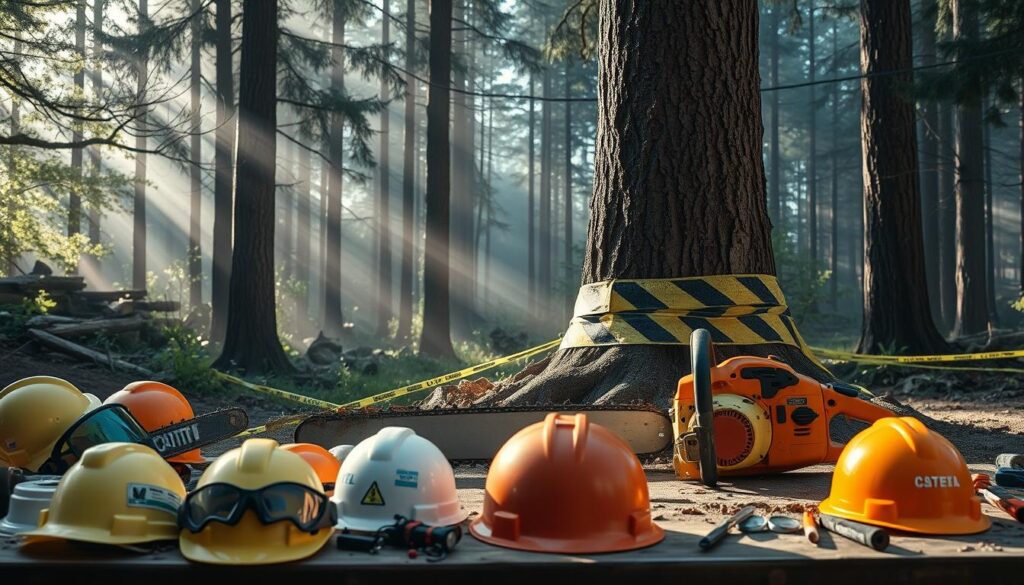
Assume electrical hazards are present until confirmed otherwise
We treat power and phone lines as present until a positive confirmation proves otherwise. Misjudging clearance is a high-consequence mistake, so confirmation means a deliberate scan of overhead space, poles and service access points.
Check traffic, pedestrians and shared spaces near Centurion Mall and Gautrain station areas
Near Centurion Mall and the Gautrain station, high footfall and delivery vehicles raise the bar. We set visible boundaries, control entry points and time noisy cuts to avoid peak movement.
Weather and wind calls that stop the job
Stop-work triggers include strong gusts, shifting winds or storm build-up. If required equipment or trained personnel are not present, we pause the job. It is better to lose time than lose control.
- Before a single cut: slow the start, confirm potential hazards and check tools and equipment.
- Plan the retreat: mark an escape route and keep it clear until the area is declared safe.
Next: we turn this mindset into a written risk assessment and a clear felling plan.
tree felling safety standards we follow for risk assessment and planning
Before a saw goes near a stem, we run a fixed planning routine to make every job predictable and repeatable.
This routine works for gardens, estates and smallholdings across Centurion. It gives crews and homeowners clear steps to follow.
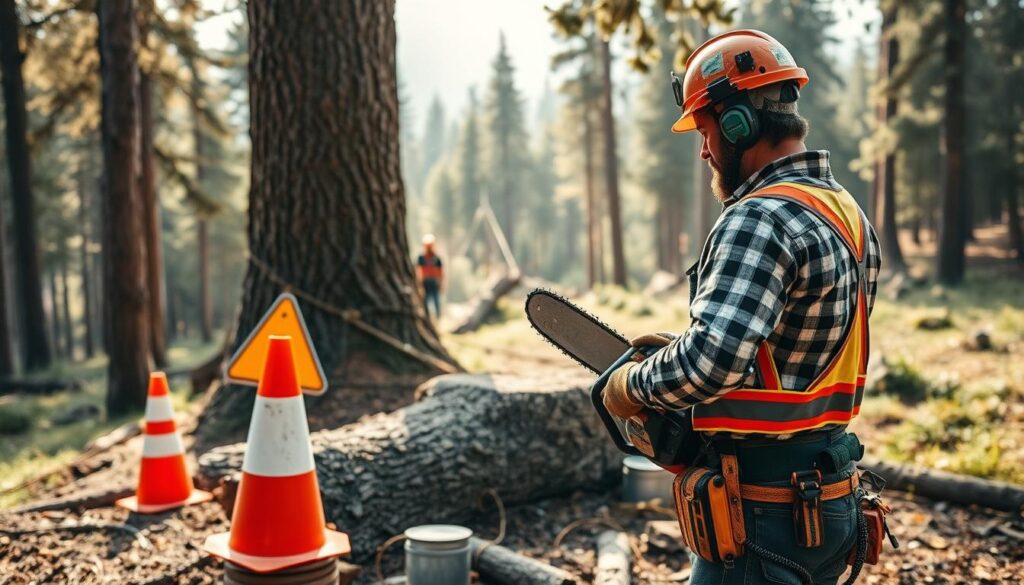
Outer-perimeter scan for targets, access and escape routes
We check for homes, vehicles, walls, pools, outbuildings and fences. We keep an access lane for equipment and mark a visible retreat path at an angle from the expected fall line.
Inner-perimeter tree health check
We do a 360° walk-around of the trunk, looking for cavities, fungal fruiting bodies, cracks and lightning scars.
We pay special attention to the buttress roots and any pinched base that hints at hidden weakness.
Measuring height, lean, load and slope
We estimate height, then note lean and heavy crown sides. Slope or nearby stumps and another tree can change how the stem slides or twists.
Measurements confirm the drop zone and the intended direction, or they stop the job if the plan must change.
Separation and fall radius
Keep bystanders outside the fall radius. We aim for two-tree-length separation in active felling areas where feasible.
“Good planning turns uncertain jobs into routine operations.”
| Check | What we look for | Action |
|---|---|---|
| Outer perimeter | Targets, traffic, weather, access lane | Mark boundaries, clear access, plan retreat |
| Inner perimeter | Decay pockets, cracks, buttress roots | Change plan or call specialist |
| Measurements | Height, lean, load, slope | Confirm drop zone and intended direction |
Personal protective equipment and clothing that reduce chainsaw and falling-branch injuries
B. A quick job can turn dangerous in seconds, so we never skip proper kit for any chainsaw operation on our properties.
PPE is not overkill. Many incidents come from falling limbs or flying debris close to the stump. Even for short garden work we use full protection.
Helmet, eye and face protection for flying debris and kickback
We pair a helmet with a clear face screen or safety glasses to stop chips and bark. This system protects against kickback fragments and higher‑energy impacts.
Hearing protection for prolonged chainsaw operation
Long runs with a chainsaw harm hearing. We favour earmuffs for repeated work and plugs for occasional jobs.
Protective chaps or trousers for chain contact incidents
Chaps with cut‑resistant layers arrest a moving chain and greatly reduce leg injury. Even experienced operators wear them.
Boots, gloves and clothing
We choose boots with protective toes and ankle support for uneven ground and rolling logs. Nonslip gloves improve grip while retaining dexterity.
Keep clothing close‑fitting. Avoid loose sleeves or scarves that could snag on branches or tools.

“Good kit is the baseline — it makes safe actions easier and mistakes less costly.”
| Item | Why we use it | Quick check before work |
|---|---|---|
| Helmet + face shield | Blocks falling debris and fragments from kickback | Secure harness and clear visor |
| Chaps / cut trousers | Stops moving chain and reduces leg trauma | No tears; leg panels intact |
| Boots & gloves | Ankle support, protective toe, better grip | Soles good; gloves dry and snug |
Chainsaw safety essentials for homeowners and occasional operators
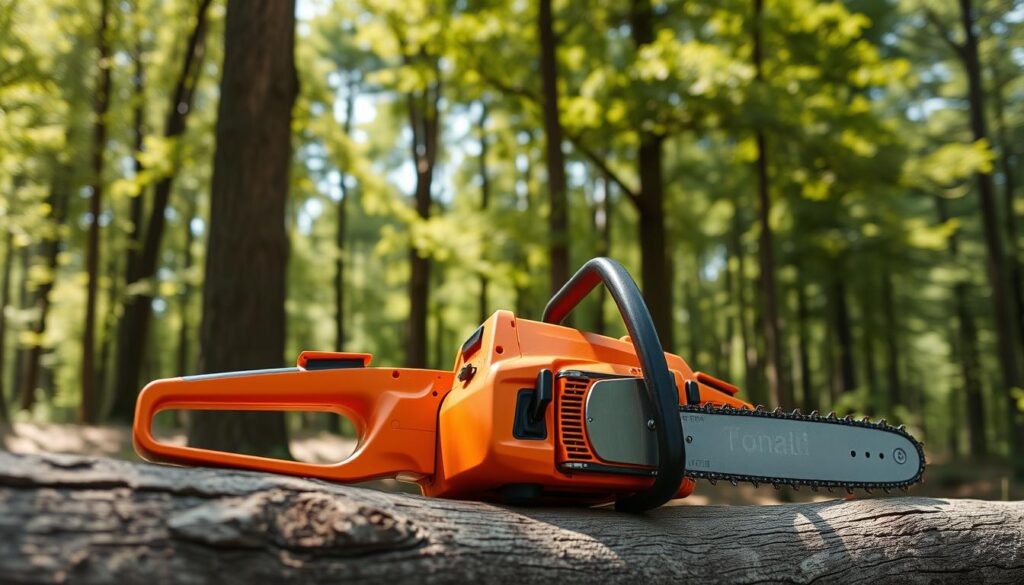
A short pre-flight check keeps most chainsaw incidents out of our weekend plans. We read the owner’s manual, follow the correct fuel mix and stick to the manufacturer’s maintenance times.
Every time we fill the tank we also top up bar oil. Running the bar dry raises heat, wear and unpredictable cutting behaviour.
Owner’s manual checks, fuel mix and bar oil habits
The manual is our baseline for safe operation. It tells us the right mix, service intervals and model-specific features to respect.
Chain brake function and why it matters during kickback
Check the chain brake before work. The brake often stops a dangerous kickback and can be the difference between a scare and serious harm.
Safe starting on the ground and verifying the chain oiler
Start the saw on firm ground with the chain brake engaged and no part of the bar touching anything. Verify the chain oiler runs so the chain stays lubricated.
Kickback zone awareness when limbing and bucking
Kickback happens when the top tip of the bar hits a solid object. Be extra cautious when limbing or bucking where visibility is poor and limbs may shift.
“A maintained saw and simple habits make each operation more predictable.”
| Check | What we do | Why it matters |
|---|---|---|
| Owner’s manual | Confirm fuel mix & maintenance | Correct operation and long life |
| Bar oil & chain oiler | Top up at refuel; verify oil flow | Reduces heat, wear and erratic cut |
| Chain brake & start | Test brake; start on ground with brake engaged | Limits kickback injury risk |
Site hazards in Centurion gardens and smallholdings, from Rietvlei edges to estate streets
Small gardens and narrow estate streets around Rietvlei hide risks that demand careful attention.
We identify local hazards early so we can plan work safely. Wind and water stress by the Rietvlei edges and tight margins on estate streets change how stems and branches behave.

Widowmakers and snags
Widowmakers are dead tops or hanging branches that can drop without warning during vibration or cutting.
Snags — standing rotten stems — can shatter, twist or shed sections when loaded. We mark and remove these hazards before any close work.
Lodged stems and working beneath them
Lodged stems are unstable and may release unpredictably. We do not work beneath a lodged stem; mechanical removal or specialist help is our rule.
Spring poles, tension and throwback
Spring poles store energy. When cut, that tension releases suddenly. We plan cuts and body position to avoid the line of fire.
Throwback happens when falling material hits fences, hard targets or neighbouring trees and returns toward us. Stay clear of probable impact paths.
Terrain and entanglement
Terrain hazards — rocks, hidden stumps and uneven ground — affect footing and retreat. We clear the ground and pick better sides for footing before a drop.
Entanglement from vines and interlocked branches can hang a stem up. In dense stands we expect the unexpected and avoid working under a suspended load.
| Hazard | What it is | What we do |
|---|---|---|
| Widowmakers | Hanging dead branches | Identify, cordon off, remove safely |
| Lodged stems | Stems stuck in canopy | No work beneath; use machine or pro |
| Spring poles / tension | Tensioned limbs | Plan cuts; avoid release path |
| Terrain hazards | Rocks, stumps, uneven ground | Clear retreat; choose safe side |
| Entanglement | Vines and interlocked branches | Assess; cut slack lines; avoid hang-ups |
“Ground-level checks and conservative choices transform potential hazards into manageable risks.”
Preparing the work area, escape route and retreat path before felling trees
We prepare the work area so every step away from the stump is predictable and clear.

Site preparation is a deliberate safety task, not housekeeping. Most slips and stumbles happen where the ground is cluttered. We clear brush, loose branches and downed logs close to the stump so the operator can step cleanly during cutting.
Clearing brush, branches and tripping hazards around the stump
We remove small obstacles in a radius that matches the planned fall and the retreat route. Loose cuttings and garden waste become trip points when the operator moves quickly.
Choosing the better side for footing and finishing position
We pick the good side for footing based on slope, traction and space to finish the final cut. Positioning on the better side reduces bar pinch and allows a direct move onto the retreat route.
Keeping eyes up as the tree goes and moving decisively along the retreat route
As the tree goes over we keep our eyes up for falling branches and broken tops. Do not turn your back as the tree falls.
Move decisively along the retreat at an angle away from the fall line. That angle reduces exposure if the butt kicks back or the crown shifts.
Practical note for estates: brief nearby residents, guards and garden teams so nobody walks into the work area mid-fell. Good cuts help, but they only work safely if we can retreat cleanly and predictably.
| Task | What we check | Result |
|---|---|---|
| Clear radius | Brush, small branches, trip hazards | Uncluttered step zone around stump |
| Choose side | Slope, traction, space to finish | Stable footing and direct exit |
| Plan retreat | Route angle, clear path, rendezvous point | Fast, predictable retreat path |
Directional felling cuts that improve control of where the tree falls
We choose cuts that guide the trunk into the intended direction rather than trying to force an outcome the site won’t allow.
Notch choice and open-face advantage
We favour an open-face face notch (roughly 70–90°). It keeps the hinge working longer so the way the stem moves is predictable.
As a rule, the notch depth is about a third of the trunk diameter. Species and defects change this, so we adapt.
Hinge basics and proportions
The hinge acts like a steering plate toward the intended direction. Aim for hinge length near 80% of diameter and a thickness around 10% as a starting point.
Back cut, bore cut and extra retreat time
The back cut is the release. A bore cut with a trigger release sets the hinge first and buys extra time for a clean retreat. This matters on forward leaners or tight drop zones.
Wedges, axe and avoiding bar pinch
We use wedges and an axe to keep the kerf open and prevent bar pinch. Keep the chainsaw tip clear to reduce kickback risk when finishing near the trunk or dense branches.
“Good cuts work with the site; clear the retreat and keep others well outside the fall radius.”
Secure Your Property with Centurion’s Safest Tree Fellers
Every job should finish with the same certainty it started: planned, checked and controlled.
Safer felling comes from repeatable planning, disciplined equipment and tools checks, and the willingness to stop when conditions change. In Centurion, busy shared spaces and close property lines make defining the work area and keeping bystanders clear non‑negotiable.
Remember the flow: outer‑perimeter scan, inner‑perimeter assessment, height/lean/load/slope, drop zone, retreat route, then the cut. Keep PPE on and verify the chainsaw — chain brake and lubrication matter before any cutting begins.
When the tree goes the tree falls fast. Move decisively, keep eyes up, and treat lodged stems, widowmakers and spring poles as reasons to stop and reset. Use this guide as your checklist and put safety over speed every time.

