Safety & Noise: Operating Within the Law

Many homeowners only spot tree removal regulations centurion when a large limb leans over a patio, cracks paving or steals daylight from a kitchen.

What if a simple check today could save you time, expense and potential fines tomorrow?
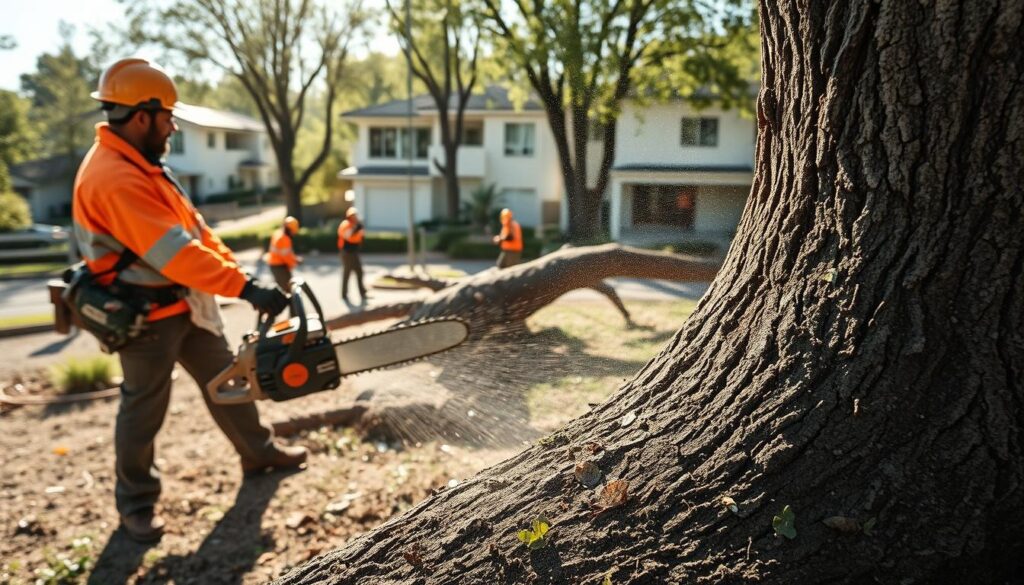
tree removal regulations

We’ll guide you through a Centurion-first, step-by-step approach that sets expectations clearly. We explain when a permit is needed, what differs for private gardens and municipal verges, and how to avoid delays or legal risk.

Properties near Centurion Lake and the Hennops River face extra sensitivity around watercourses and runoff. In South Africa the National Forests Act, 1998 frames permit rules, protected species and penalties, so we align these guidelines with local practice.

Tree Felling Centurion is our local service brand that prioritises safe, compliant decisions. We offer a practical “do this first” mindset: identify the tree, confirm land responsibility, then follow the steps before any cutting begins.

This is informational guidance, not legal advice, and final decisions rest with the relevant authorities and the applicable legislationGet My Free Quote

Do I Need a Permit to Cut Down a Tree in Centurion?

Local layout and watercourses change what is allowed in Centurion, so we always start with a careful site check. This helps residents avoid fines and unforeseen costs. It also protects streets and waterways like Centurion Lake and the Hennops River.
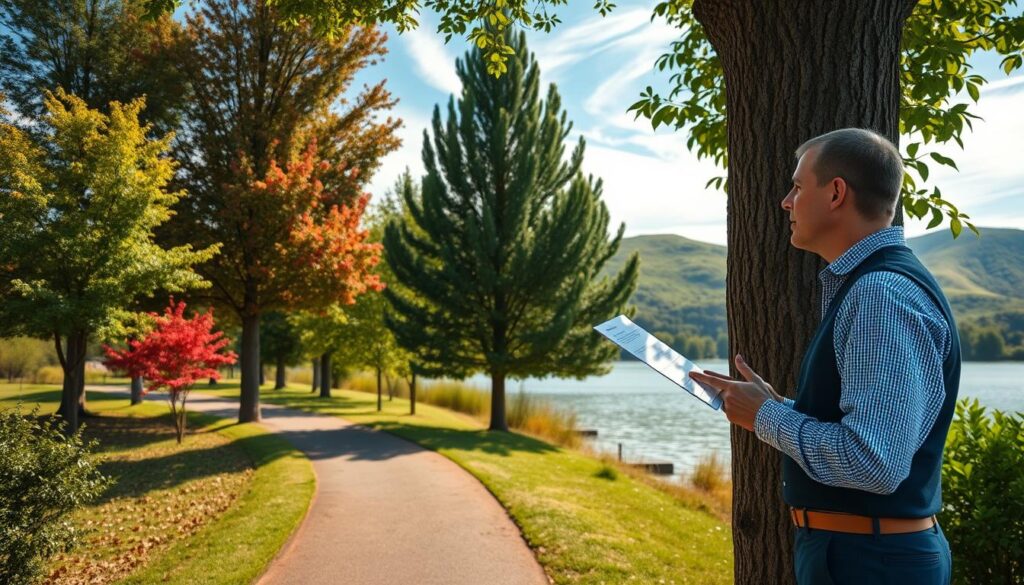
A serene landscape of Centurion Lake, showcasing a variety of vibrant trees, including native species with dense foliage. In the foreground, a section of a well-maintained pathway lined with trees, hinting at the local tree removal regulations. A knowledgeable professional, dressed in a smart-casual outfit, examines a tree, gesturing at an official-looking document, symbolizing the guidance needed for tree care. The middle ground features a tranquil lake reflecting the bright blue sky and wispy clouds, with occasional ripples from gentle breezes. The background captures lush green hills under warm sunlight, creating a calm and informative atmosphere. The image is framed with a soft focus technique, emphasizing the trees and the engaged professional. The overall mood is educational yet peaceful, perfect for understanding tree management in Centurion.

Special Rules: Tree Work Near Centurion Lake & Hennops River

Watercourse areas need extra caution. Root systems stabilise banks and reduce erosion. Poor choices can increase downstream impact and harm neighbours.

We emphasise that changes near drains, greenbelts or mature street plantings can affect flood paths and wildlife. This is why councils often refuse work that seems minor.

Private Property vs. Council Trees: Who is Responsible?

Trees inside your property line are usually your responsibility. If canopy or roots cross into public land, the municipality typically controls work there.

  • Confirm boundary lines and whether canopy/roots extend into public space.
  • Note proximity to stormwater systems, walls and driveways.
  • Common issues—overhangs, leaf litter or shade—may not meet municipal criteria for removal.

Urban tree management balances safety, canopy cover and long-term maintenance. We can help prepare clear information for municipal services requests, but we do not recommend DIY cutting on public land.

National Forests Act & Protected Trees: What Homeowners Must Know

National law sets the baseline for what we may do with large specimens on our properties in Centurion. In south africa the National Forests Act, 1998 (Act No. 84 of 1998) governs conservation and sustainable management.

The Act limits unregulated felling to protect the wider environment and reduce long-term loss of canopy. It creates a national permit process so that any planned cutting or pruning is assessed for impact.
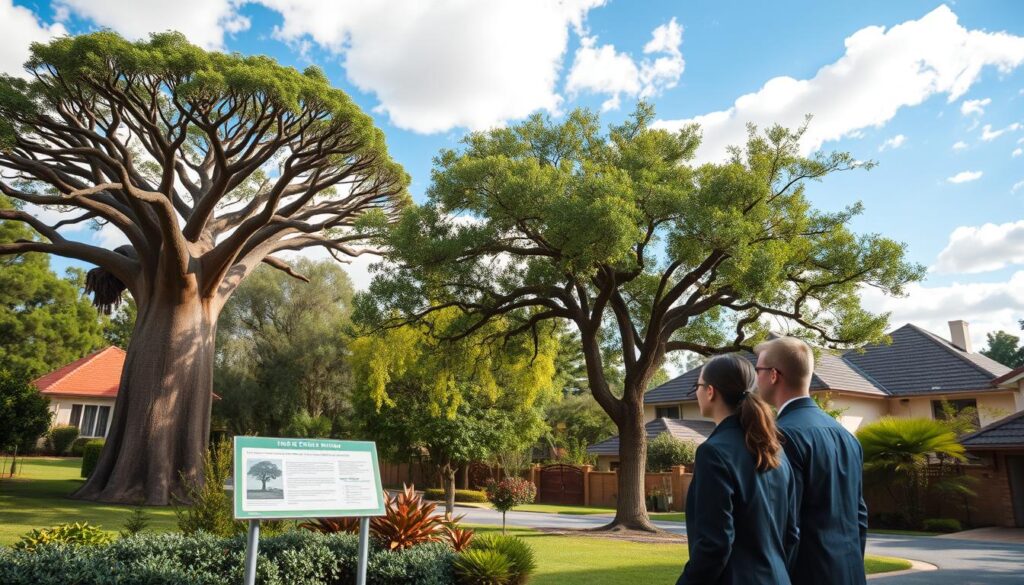
A lush South African landscape featuring a diverse array of protected tree species, such as the magnificent Baobab and indigenous Acacia trees, situated in a suburban setting reminiscent of Centurion. In the foreground, showcase a young couple in professional attire examining a tree and a nearby informational sign about tree protection regulations. The middle ground should include well-maintained homes that reflect the architecture common in Centurion, with greenery surrounding them. The background presents a blue sky dotted with soft white clouds, casting dappled sunlight on the scene, creating a warm, inviting atmosphere. Use a wide-angle lens perspective to encapsulate the harmony between urban development and nature, emphasizing the importance of protecting these native species.

Check if Your Tree is on the Protected Species List

The legislation requires us to identify the specimen and check whether it is on the protected national list before work starts. The Act supports sustainable management and prevents damage to riparian zones and habitats.

Protected species and why identification comes first

Protected status can apply to indigenous and some naturalised plants. We must confirm tree species early: this single step determines whether a permit is needed.

When permits are needed and who decides

Typical triggers include heritage-sized specimens, proximity to watercourses, or suspected protected species. National and municipal authorities both play a role in assessing applications and issuing permits.

Penalties and why compliance matters

Illegal felling risks severe penalties — large fines, possible imprisonment and confiscation of equipment. Compliance protects our neighbourhood canopy, erosion control and local habitat from irreversible loss.

We Handle Your Tree Felling Permits & City of Tshwane Approvals

A practical first step is a concise risk check and photographic record so your application meets local expectations.

A professional, authoritative scene depicting a tree removal permit application process in Centurion. In the foreground, a focused individual in smart business attire reviews paperwork and guidelines, while examining a nearby healthy tree. The middle ground features a table with permit documents and a laptop, highlighting the need for compliance with local regulations. In the background, a serene, sunlit park setting shows various types of trees, emphasizing the environment affected by the regulations. Soft afternoon light casts gentle shadows, creating a calm and informative atmosphere. The composition is balanced, with a depth that draws the viewer's eye toward the central action of obtaining necessary permits, all while keeping the overall mood professional and focused on regulatory compliance.

Confirm species and assess local risk

In Irene and Lyttelton Manor we identify species from leaves, bark and fruit and note seasonal cues.

We then assess risk: lean, deadwood, root heave, and proximity to walls, driveways, stormwater lines and overhead services.

Prepare a clear application

A strong application includes exact erf location, clear photos, height and trunk diameter, number of trees and a plain-language motivation focused on safety and infrastructure protection.

Approval, environmental assessment and conditions

Authorities review the application, may request extra information, and consider environmental impact where slopes, drainage or habitat could be affected.

If granted, a permit commonly requires replanting, limits on removal, timing windows and approved cutting techniques; these conditions are mandatory.

Public land, pruning standards and municipal permission

Near Zwartkops and the Pretoria border, do not prune or work on public pavements or open spaces without municipal authorisation.

We avoid topping for views; proper pruning uses selective reduction, crown cleaning and correct cuts at the branch collar.

Document Typical Timeline Responsibility
Species ID & photos 1–3 days Resident / contractor
Permit application 2–6 weeks Resident (with our services)
Works & compliance As per permit Contractor / resident

Tree Felling Centurion follows these guidelines on every job and we help clients obtain necessary permits and meet management conditions.

Final Verdict: Compliant Tree Felling in Centurion

Confirming land status and protected status first makes decisions straightforward and defendable.

In Centurion the right first step is to check whether the tree sits on private or municipal land and whether protected species controls apply under the National Forests Act in south africa.

Follow a simple checklist: identify, assess risk, apply where needed, then work to conditions. Keep clear records — photos, dates and approvals — to protect you in future sales or disputes.

We discourage topping for views and favour proper pruning and management to protect banks and canopy near Centurion Lake, the Hennops River and the Pretoria border.

Tree Felling Centurion takes a compliance-first approach and we encourage you to follow lawful, safe steps for any work on your property or adjacent public land.

FAQ

What rules apply in Centurion before we cut, prune, or remove trees?

We must check municipal by‑laws and national legislation first. Start by identifying the species and whether it sits on private land, a pavement or council verge. In many cases a permit or written consent is required, especially for protected species or trees within conservation zones near waterways like the Hennops River.

Why should residents near Centurion Lake and the Hennops River check rules before taking action?

Watercourses and wetlands attract extra protection because vegetation stabilises banks and supports biodiversity. We need to avoid erosion, habitat loss and potential fines. Local environmental officers often impose stricter conditions for work near the lake and river to protect aquatic systems and downstream users.

How do private property trees differ from municipal trees on pavements and sidewalks?

Trees on private land fall under the property owner’s responsibility, but municipal trees on verges and pavements are managed by the city. We must obtain municipal permission for work on public trees; unauthorised work can trigger removal orders or penalties even if the tree is adjacent to our property.

Which national laws affect homeowners in Centurion wanting to cut or remove trees?

The National Forests Act and related provincial regulations govern protected species and activities affecting woodlands. These laws require permits for certain species and set out obligations such as rehabilitation and reporting. Local by‑laws supplement national rules with site‑specific requirements.

How do we know if a species is protected and must be identified before pruning or removal?

We use species lists maintained by the Department of Forestry, Fisheries and the Environment and by the City of Tshwane. If a tree appears to match a protected species, we commission a qualified arboriculturist or botanist to confirm identification before any work proceeds.

When is a permit typically required and which authorities issue them?

A permit is usually needed for protected species, significant specimen trees, or any removal within conservation or riparian zones. Applications go to the City of Tshwane for municipal approval and, for nationally protected species, the Department of Forestry, Fisheries and the Environment may also be involved.

What penalties apply for illegal felling, and why must we comply?

Penalties range from administrative fines and restoration orders to criminal charges with substantial fines or imprisonment for serious breaches. Compliance avoids legal risk and protects neighbours, property and the broader environment.

How do we confirm species and assess risks in suburbs like Irene and Lyttelton Manor?

We commission an assessment from an accredited arborist who records species, height, trunk diameter, health and proximity to structures. The arborist also evaluates risks to people, buildings and infrastructure and recommends mitigation or suitable remedial work.

What should a clear permit application include?

Applications must state the exact location, GPS or erf number, number and species of trees, trunk measurements, reason for work, proposed timing and the contractor’s details. Photographs, site plans and an arborist report strengthen the submission.

What happens during approval and any required environmental impact assessment?

Authorities review the application, consult conservation units if needed, and may require an environmental impact assessment (EIA) for sensitive sites. The EIA examines potential effects and proposes mitigation; approval often comes with conditions we must follow.

What typical permit conditions should we expect, such as replanting or limits on removal?

Conditions commonly include replacement planting, limits on the number or size of trees removed, specific cutting methods, timing restrictions to protect nesting birds, and post‑work inspections. We must follow these conditions to retain the permit’s validity.

How do we request municipal permission for trees on public land near Zwartkops and the Pretoria border?

Submit an online or in‑person application to the City of Tshwane’s environmental or parks department with the required documentation. Engage early with the municipality if the work affects boundary areas, shared access or services to avoid delays.

Why is “topping” discouraged and what are proper pruning standards?

Topping damages structure, invites decay and shortens a tree’s life. Proper pruning follows recognised horticultural practices: selective crown reduction, thinning, and crown lifting performed by qualified arborists using safe cuts to preserve bark integrity and vascular flow.

What documents, timelines and responsibilities should we plan for when applying?

Prepare an arborist report, site plan, photographs, contractor CV and application fee. Timelines vary: minor works may take weeks, while EIAs can take months. We should assign a point‑person to liaise with authorities and ensure the contractor adheres to permit conditions and safety standards.